Israeli Opposition Leader Gadi Eisenkot Granted Mandate to Form Government, Faces Challenges Ahead
Nearly two weeks after Israel's parliamentary elections, opposition leader Gadi Eisenkot has received the mandate from President Isaac Herzog to form the next government.
By News Rush Point Desk
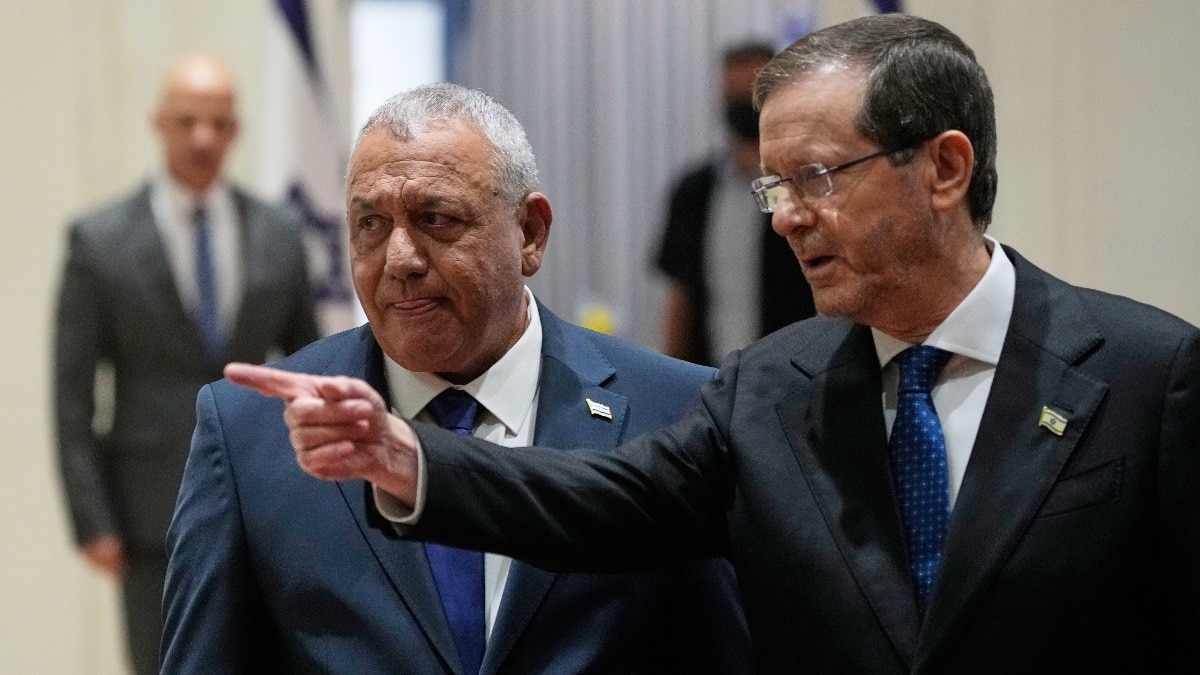
Nearly two weeks after Israel's parliamentary elections, opposition leader Gadi Eisenkot has received the mandate from President Isaac Herzog to form the next government. The former IDF chief now faces an uphill task as his alliance lacks enough seats to form a government on its own. He must engage in tough negotiations with other parties, addressing issues like the role and inclusion of Arab parties, ultra-Orthodox factions, and key policy matters. The October 27 elections resulted in a hung parliament, with neither major bloc securing the required majority. Eisenkot's Yashar-led opposition bloc won 48 seats, while PM Benjamin Netanyahu's Likud secured 53. Despite Netanyahu's bloc having a larger seat tally, Eisenkot secured recommendations from representatives of parties holding 67 seats in the Knesset. However, forming the government is a different ball game, requiring Eisenkot and his allies to garner enough votes to win a vote of confidence in the Knesset. The leader has pledged to take unconventional steps to form a "national emergency government." Eisenkot has 28 days to form Israel's next government, with possible extensions until December 20. If he fails, the president may consider promoting a national unity government with Netanyahu or call for new elections.
Filed underPolitics
More stories
Politics
UK Pursues Direct Military Contacts with Russia Amid Rising Tensions, Citing State-Sponsored Threats
Politics
Former Congress Leader Pranab Mukherjee's PM Ambition Surprised Sonia Gandhi, Daughter Responds
Politics
India's Immunization Drive: Celebrating Wins, Addressing Gaps
Politics
Supreme Court Lifts Injunction on Trump's Big Bend Wall Project After 38 Days
Politics
Delhi Introduces Eco-Friendly Yamuna River Cruise for Tourism Boost
Politics