Supreme Court Lifts Injunction on Trump's Big Bend Wall Project After 38 Days
The US Supreme Court has given the green light for President Donald Trump's administration to resume construction of a 500-mile border wall project in Texas's Big Bend region, overturning a federal…
By News Rush Point Desk
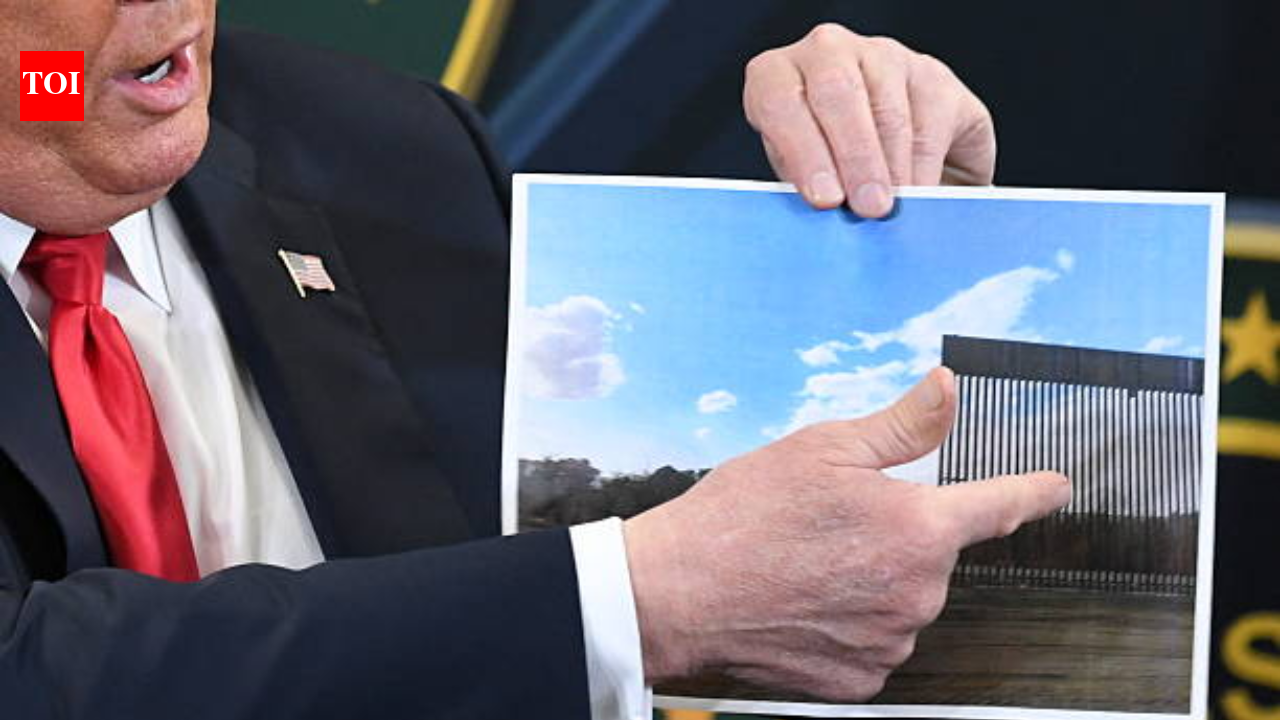
The US Supreme Court has given the green light for President Donald Trump's administration to resume construction of a 500-mile border wall project in Texas's Big Bend region, overturning a federal judge's order that halted work less than a month ago. The ruling temporarily suspends the lower court's injunction while the legal challenge continues. The case centers on whether the government has exceeded its authority to bypass environmental laws and accelerate border construction in this environmentally sensitive area, which includes Big Bend National Park. The dispute originated when the Department of Homeland Security waived several federal environmental and historic-preservation requirements to expand border barriers and roads through the region, citing a 1996 immigration law that allows the DHS secretary to bypass legal requirements for rapid construction near the southern border. Environmental groups, a local river guide, and a religious organization challenged the waivers in court in April, arguing that the administration misused the law to justify construction in a region with low migrant apprehension numbers. The Trump administration argued that the lower court's order was obstructing its ability to secure the border and combat drug trafficking and illegal crossings. Justice Ketanji Brown Jackson was the lone dissenter, saying she would have rejected the administration's request for emergency relief. This interim victory for Trump does not mean the environmental groups have lost their lawsuit, as the legal challenge will continue, and construction can proceed while the broader questions are considered. The administration claims more than 89,000 illegal crossings were apprehended in the Big Bend sector between 2021 and 2025, but critics maintain that the region's rugged terrain already makes illegal crossings difficult, and the scale of the proposed construction is unnecessary. The proposed project has drawn attention due to the landscape it could alter, including desert ecosystems, dramatic canyons, mountains, and the Rio Grande, which forms part of the US-Mexico boundary.
Filed underPolitics
More stories
Politics
UK Pursues Direct Military Contacts with Russia Amid Rising Tensions, Citing State-Sponsored Threats
Politics
Former Congress Leader Pranab Mukherjee's PM Ambition Surprised Sonia Gandhi, Daughter Responds
Politics
India's Immunization Drive: Celebrating Wins, Addressing Gaps
Politics
Delhi Introduces Eco-Friendly Yamuna River Cruise for Tourism Boost
Politics
Mukherjee's Daughter Challenges Sonia Gandhi Over Father's PM Ambition
Politics