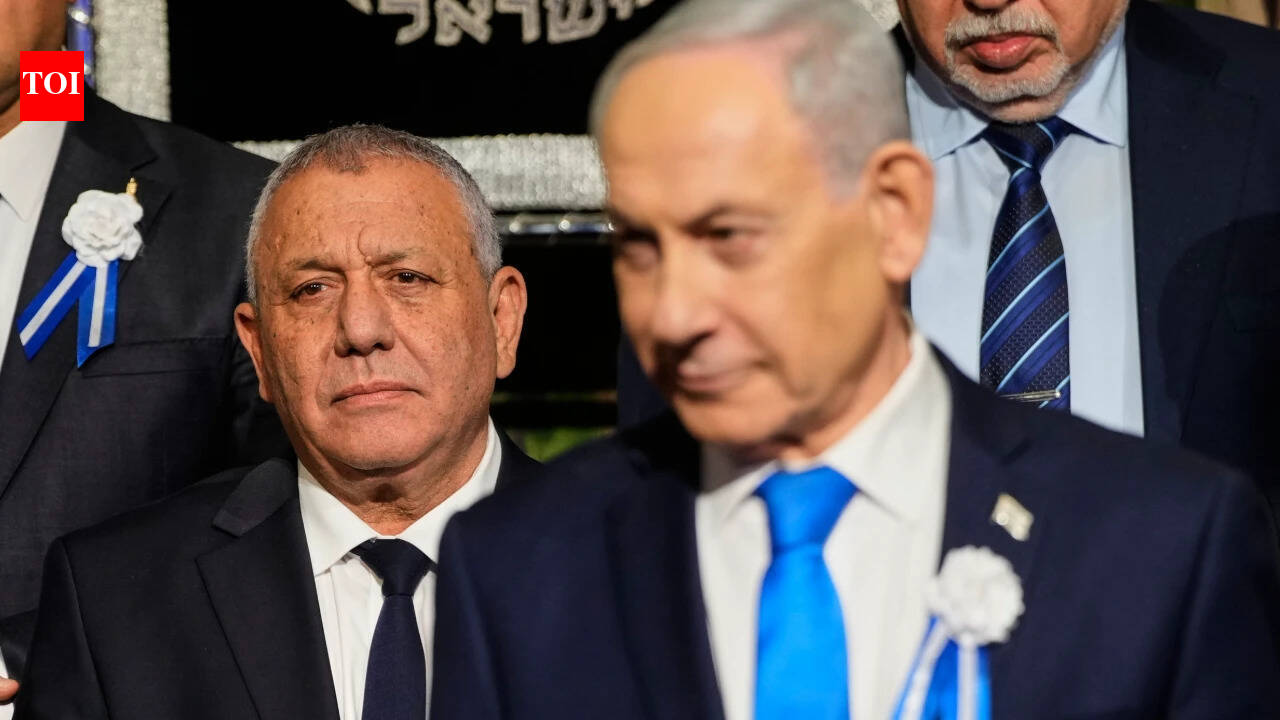
Following an allegedly 'delusional, divisive, hateful and disgraceful' speech by Prime Minister Benjamin Netanyahu at the Knesset swearing-in ceremony, Gadi Eisenkot of Yashar party has cancelled a scheduled meeting to discuss coalition negotiations with Likud. In his address to parliament on Tuesday, Netanyahu appealed for national unity but also criticized opposition leaders for considering a government supported by Arab-majority parties. Eisenkot accused Netanyahu of prioritizing political survival over national unity and questioned his fitness to remain in office. Yashar's decision comes as Eisenkot works to form Israel's next government after receiving the mandate from President Isaac Herzog, following the election that left the Kesset without a clear majority. The new parliament is now working, with Yashar introducing bills seeking a government-led inquiry into Hamas' October 2023 attacks, term limits for the prime minister, and the reversal of changes made by Netanyahu's outgoing government.
In a move to address Israel's security challenges, Prime Minister Benjamin Netanyahu has called on opposition leaders to join a national unity government. However, his appeal was met with criticism from Gadi Eisenkot of Yashar party, who described Netanyahu's remarks at the Knesset swearing-in as 'delusional, divisive, hateful and disgraceful'. Eisenkot accused Netanyahu of prioritizing political survival over national unity and questioned his fitness to remain in office. Netanyahu, on the other hand, has continued to push for a unity government, questioning whether Jewish opposition leaders are prepared to depend on Arab politicians. The criticism follows the departure of Arab lawmakers during the national anthem at the Knesset swearing-in ceremony.
Gadi Eisenkot, tasked with forming Israel's next government, has begun advancing his legislative agenda in the new parliament. He introduced bills seeking a government-led inquiry into Hamas' October 2023 attacks, term limits for the prime minister, and the reversal of changes made by Netanyahu's outgoing government to limit transparency. Eisenkot's efforts come after receiving the mandate from President Isaac Herzog, following the election that left the Knesset without a clear majority. Meanwhile, Prime Minister Benjamin Netanyahu continues to push for a national unity government, despite criticism from opposition parties. The dispute between Eisenkot and Netanyahu is expected to shape Israel's political landscape in the coming weeks.