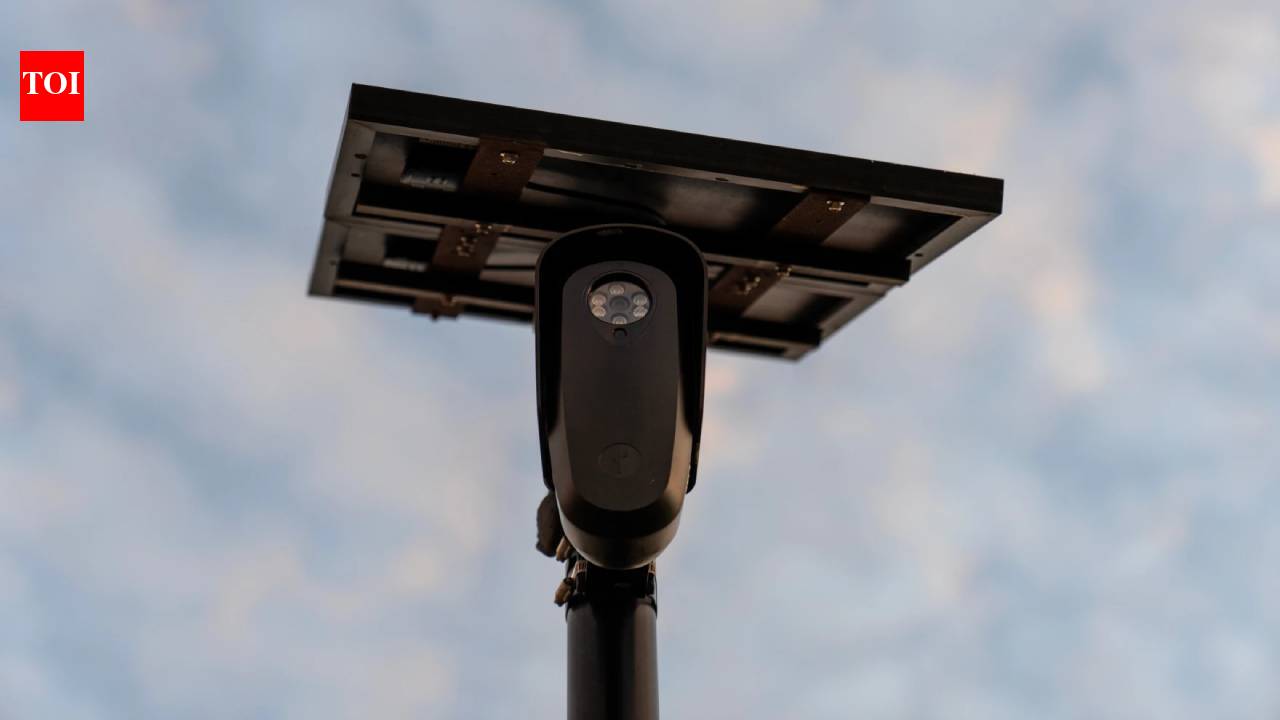
A controversial deal between the University of Michigan Police Department (UMPD) and surveillance technology company Flock Safety, worth $127,500 for automated license plate reader cameras, has raised questions about the university's surveillance plans, data privacy, and the growing use of such technology on American campuses. Signed in February 2025 by Jennifer Carr, a University procurement agent, on behalf of UMPD, the agreement was not publicly announced at the time. The cameras, never installed or operational, were meant to capture vehicle details from the rear and could have enabled extensive vehicle tracking and data sharing. The deal's terms allowed for broad surveillance and data-sharing capabilities, including automatic deletion of information after 30 days unless manually archived, disclosure of footage without a warrant, and access to statewide and nationwide searches. This arrangement comes as the university is expanding its campus security infrastructure, with concerns over privacy arising amidst the installation of surveillance cameras and the revision of institutional policies regarding surveillance camera use and student and faculty oversight.
---
SUMMARY (CONTINUED):
The deal with Flock Safety was signed in February 2025, but neither the University nor the company has confirmed whether any payment was made. The agreement covered fifteen Falcon Flex cameras, law-enforcement-grade tactical deployment equipment, and FlockOS Essentials software, along with Vehicle Fingerprint artificial intelligence technology and battery packs. Unlike conventional security cameras, automated license plate readers scan vehicles' registration numbers against databases containing information about stolen vehicles, outstanding warrants, and other law enforcement watchlists.
---
SUMMARY (CONTINUED):
The University of Michigan has been making significant changes to its campus security infrastructure over the past year. During the summer of 2025, the university's Division of Public Safety and Security installed surveillance cameras at the entrances of most campus buildings, as well as in the Law Quad and the Diag. These developments have sparked concerns among some members of the university community, particularly against the backdrop of pro-Palestine protests during the 2024-2025 academic year, which were met with force by UMPD. In the autumn of 2025, the university formally launched the Security Technology Enhancement Project, a large-scale initiative aimed at modernizing physical security and emergency communication infrastructure across all three campuses. The deal with Flock Safety comes amidst these changes and has raised questions about the extent of surveillance on campus and the safeguards available to protect students' privacy.