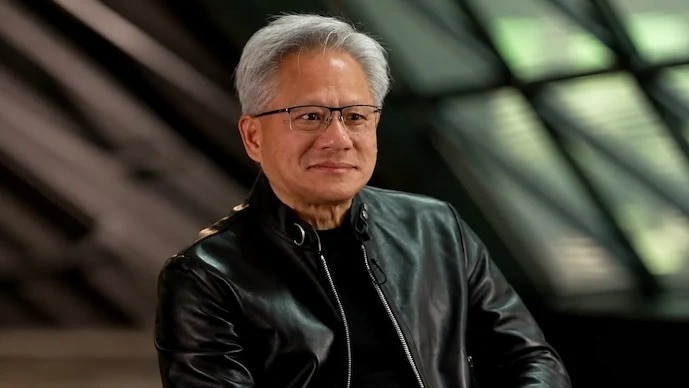
Nvidia, a global leader in artificial intelligence technology under Jensen Huang's 30-year tenure, faces uncertainty over its succession plan as the company has no publicly identified second-in-command. The controversy surrounding Huang's relationship with a suspected Chinese spy adds to this concern. Despite the ongoing investigation, Huang remains CEO. However, Nvidia's heavy reliance on its founder for decision-making and daily operations raises concerns about key-person risk. With no obvious internal candidate, investors are left wondering who can lead Nvidia if Huang steps down unexpectedly.
Jensen Huang, co-founder of Nvidia in 1993, has been instrumental in the company's growth from a video game graphics chip maker to a critical supplier of AI processors. His hands-on approach, with around 60 executives reporting directly to him and responding to his emails at all hours, has created a management structure that is unusually dependent on one person. This vulnerability, known as key-person risk, poses a significant challenge for Nvidia, especially considering Huang's role extends beyond managing the chipmaker.
The absence of a succession plan is not a new issue at Nvidia. Over the years, discussions about planning for Huang's departure have been held internally, but Huang has resisted the idea. With no clear internal candidate and Huang showing no signs of imminent departure, the question remains whether Nvidia is adequately prepared for a future without its founder at the helm.