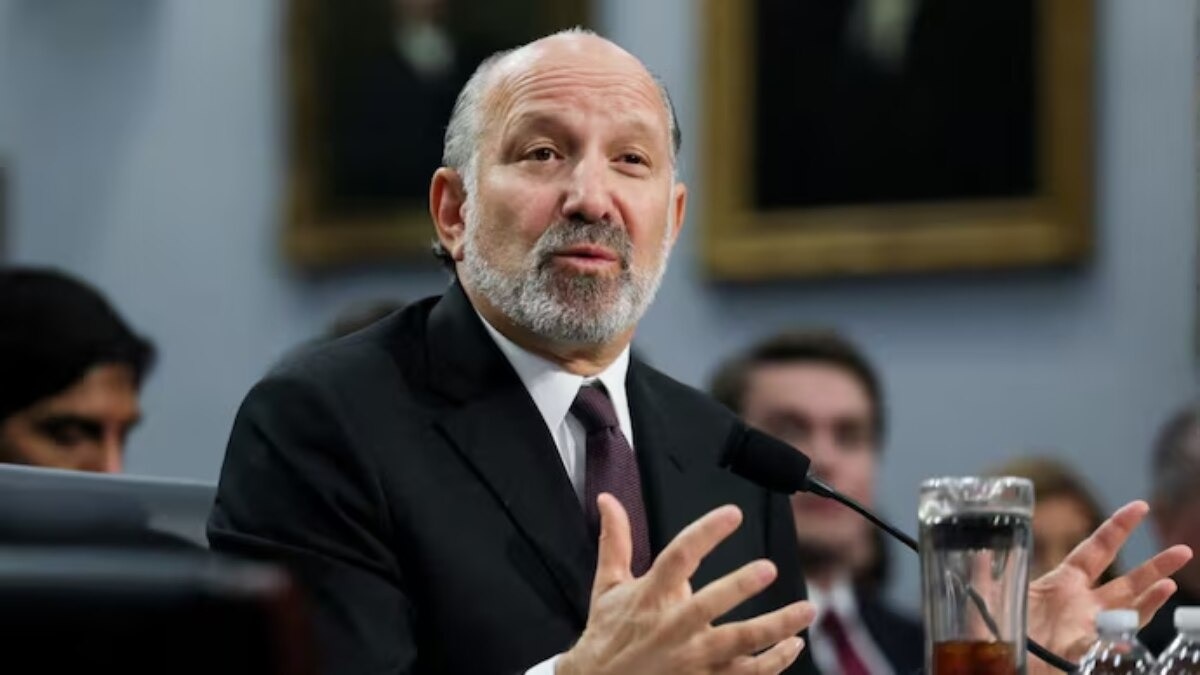
US Commerce Secretary Howard Lutnick has reportedly delayed President Donald Trump's efforts to curb the export of advanced Nvidia AI chips to China, despite the President's approval on three occasions this year. The latest approval took place last Thursday when Trump agreed to tighten restrictions after consulting with billionaire Elon Musk. However, Lutnick persistently resisted implementing these measures, leading to concerns within the administration that the Commerce Department is obstructing the President's decision.
The standoff comes amid scrutiny of Nvidia CEO Jensen Huang's alleged ties to a Chinese businesswoman suspected by US intelligence of spying for Beijing. The administration has also faced pressure from lawmakers to adopt a tougher stance on China's access to advanced American AI chips. Last Thursday, Lutnick met with Treasury Secretary Scott Bessent, Defense Secretary Pete Hegseth, US Trade Representative Jamieson Greer, and Secretary of State Marco Rubio in the White House Situation Room. During this meeting, Bessent reportedly confronted Lutnick over his department's resistance to enforcing export controls, particularly against Megaspeed, a company at the center of the alleged chip-smuggling and espionage controversy.
Trump eventually backed the crackdown but disagreements continued even after the meeting, with Lutnick proposing to develop options and return later. Other officials insisted that the decision had already been made and needed to be implemented. The report states that the restrictions have yet to be enforced. The Commerce Department has not commented on these allegations.
This latest dispute is part of a broader disagreement within the Trump administration over how tightly to restrict China's access to advanced American AI chips. Trump had approved action against suspected diversions of Nvidia chips on at least three occasions - in May, August, and November 5 - but Lutnick and Commerce Undersecretary Jeffrey Kessler resisted pressure from Bessent and other officials to move forward.
The controversy also arises against the backdrop of Trump's relatively relaxed approach to semiconductor exports to China. His administration last year moved towards easing restrictions on Nvidia's H200 chips, allowing sales to China in exchange for a 25% tariff. The US has not added any companies to its Entity List since October 2025, marking the longest gap between new additions in more than a decade.