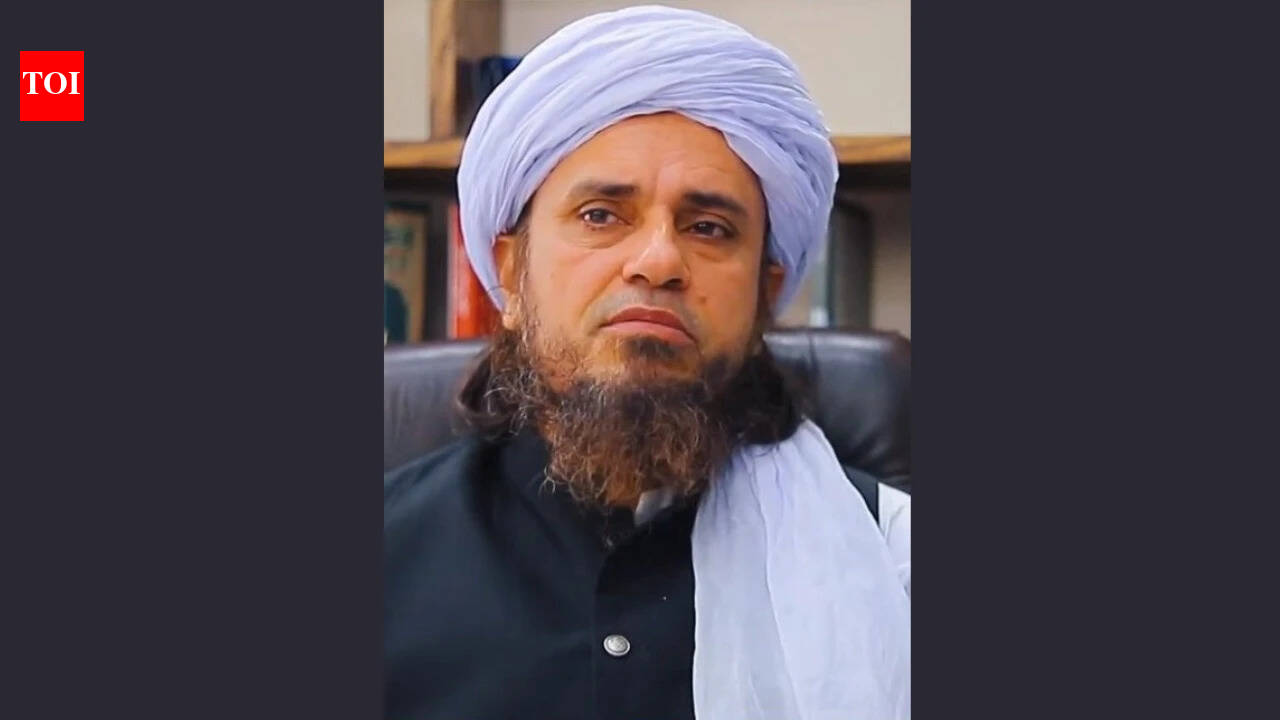
Pakistani Islamic preacher Mufti Tariq Masood, a popular figure on social media platforms, has sparked controversy with his comments defending child marriage. In a viral video, he joked about providing "two eight-year-olds" or "four four-year-olds" as alternatives for someone unable to find a 16-year-old bride, drawing criticism for trivializing and normalizing the sexualization of minors. The Daily Mirror Sri Lanka reported that Masood has repeatedly opposed statutory minimum marriage-age laws, arguing that Islamic jurisprudence does not prescribe a universal minimum age of 18. He also emphasizes physical development and perceived maturity over chronological age in determining readiness for marriage, making comments about the suitability of girls as young as nine and ten in marital relations.
The Daily Mirror further reported on Masood's views on women's education and autonomy, stating that some of his comments seem to prioritize a husband's authority over a young wife's decision to continue her studies. He has also been accused of presenting early marriage as a means to manage men's sexual desires. Access to Masood's sermons has reportedly become limited following copyright complaints and takedown requests, raising concerns about public scrutiny of his statements.
Masood's preaching style combines religious instruction with informal language and humor, reaching a wide audience beyond traditional religious institutions, particularly among younger and urban audiences. His controversial views on child marriage, women's education, and gender equality have raised serious concerns in Pakistan, which is grappling with issues such as child sexual abuse, forced marriages, and gender inequality.
Pakistani Islamic preacher Mufti Tariq Masood faces criticism after a series of sermons defending child marriage. In a viral video, he joked about offering "two eight-year-olds" or "four four-year-olds" as alternatives for someone unable to find a 16-year-old bride, drawing condemnation for trivializing and normalizing the sexualization of minors. The Daily Mirror Sri Lanka reported that Masood has opposed statutory minimum marriage-age laws, arguing that Islamic jurisprudence does not mandate a universal minimum age of 18. He emphasizes physical development and perceived maturity over chronological age in determining readiness for marriage, making comments about the suitability of girls as young as nine and ten in marital relations.
The Daily Mirror also highlighted Masood's views on women's education and autonomy, suggesting that some of his statements prioritize a husband's authority over a young wife's decision to continue her studies. He has been accused of presenting early marriage as a means to manage men's sexual desires. Access to Masood's sermons has reportedly been limited following copyright complaints and takedown requests, raising concerns about public scrutiny of his statements.
Masood's preaching style combines religious instruction with informal language and humor, reaching a wide audience beyond traditional religious institutions, particularly among younger and urban audiences. His controversial views on child marriage, women's education, and gender equality have sparked concern in Pakistan, which is grappling with issues such as child sexual abuse, forced marriages, and gender inequality.
Pakistani Islamic preacher Mufti Tariq Masood has sparked outrage after a series of sermons defending child marriage. In a viral video, he joked about offering "two eight-year-olds" or "four four-year-olds" as alternatives for someone unable to find a 16-year-old bride, drawing criticism for trivializing and normalizing the sexualization of minors. The Daily Mirror Sri Lanka reported that Masood has opposed statutory minimum marriage-age laws, arguing that Islamic jurisprudence does not prescribe a universal minimum age of 18. He emphasizes physical development and perceived maturity over chronological age in determining readiness for marriage, making comments about the suitability of girls as young as nine and ten in marital relations.
The Daily Mirror also highlighted Masood's views on women's education and autonomy, suggesting that some of his statements prioritize a husband's authority over a young wife's decision to continue her studies. He has been accused of presenting early marriage as a means to manage men's sexual desires. Access to Masood's sermons has reportedly been limited following copyright complaints and takedown requests, raising concerns about public scrutiny of his statements.
Masood's preaching style combines religious instruction with informal language and humor, reaching a wide audience beyond traditional religious institutions, particularly among younger and urban audiences. His controversial views on child marriage, women's education, and gender equality have sparked concern in Pakistan, which is grappling with issues such as child sexual abuse, forced marriages, and gender inequality.