Nvidia's CEO Scandal Raises Succession Questions Amidst China Espionage Allegations
In a surprising turn of events, Nvidia's CEO Jensen Huang is under investigation by the company's board for an affair with a former executive allegedly linked to Chinese intelligence.
By News Rush Point Desk
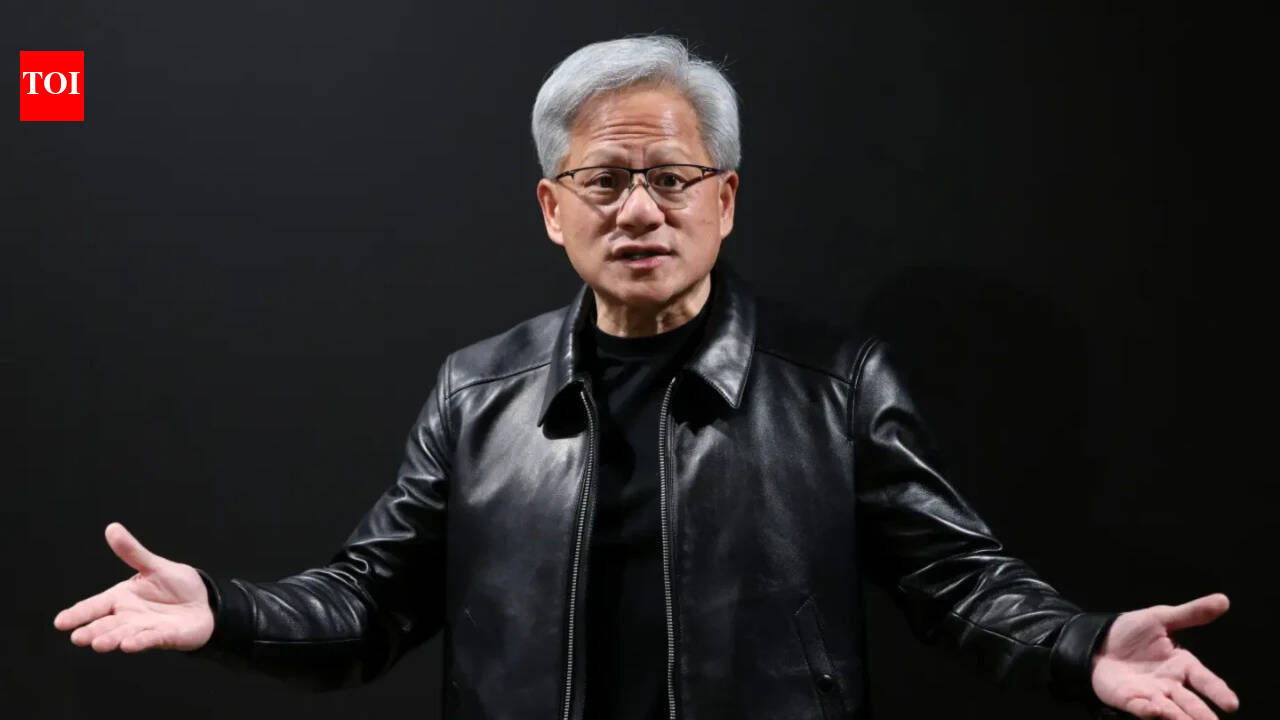
In a surprising turn of events, Nvidia's CEO Jensen Huang is under investigation by the company's board for an affair with a former executive allegedly linked to Chinese intelligence. The probe has brought into focus a question that has long been avoided by the world's leading AI chipmaker - who would succeed Huang if he can no longer lead? Huang, 63, admitted to the affair with Alice Huang (no relation), a former executive at Singapore-based Megaspeed. The board has formed an independent committee to investigate the matter, and Huang remains CEO during the ongoing inquiry. Nvidia lacks a public succession plan or an obvious heir, as Huang holds both the CEO and president titles. The company's shares dropped 4.27% on Monday, wiping out approximately $190 billion from its market value, with investors expressing concerns about Huang's future at the helm. Huang's unconventional leadership style may complicate succession planning. He rejects traditional hierarchy and runs Nvidia through project meetings that bring together recent graduates and senior executives. Despite having a lower number of direct reports than most tech leaders (33, according to internal records), Huang is known for his hands-on approach, reading and responding to emails at all hours and managing several thousand emails daily. The board has the power to fire Huang if necessary, as he owns about 3.6% of the company but lacks the control enjoyed by leaders like Mark Zuckerberg at Meta or Elon Musk at SpaceX. However, the board's relationship with Huang spans decades, and they have done well by him since investing in the startup Nvidia in 1993. The outcome of the investigation remains uncertain, but it has shone a spotlight on the succession planning challenges faced by Nvidia should Huang step down or be removed from his position.
Filed underBusiness
More stories
Business
Chris Evans Lists Hollywood Hills Home for $6.39 Million After 13 Years
Business
Ramayana Smashes Diwali Box Office Records, Aims for Rs 2,000 Crore Global Success
Business
Personalized Astrology Predictions for November 10, 2025: Insights on Work, Love, and Financial Success Based on Name Letters
Business
China's Trade Surplus Hits $1 Trillion Mark for Second Consecutive Year, Fueled by AI Demand
Business
Blockbuster Success: Ramayana Part 1 Breaks Records with Rs 664 Crore Box Office Haul
Business