China's Trade Surplus Hits $1 Trillion Mark for Second Consecutive Year, Fueled by AI Demand
In a significant economic milestone, China has recorded a trade surplus of over $1 trillion for the second year in a row, reaching the figure earlier than expected.
By News Rush Point Desk
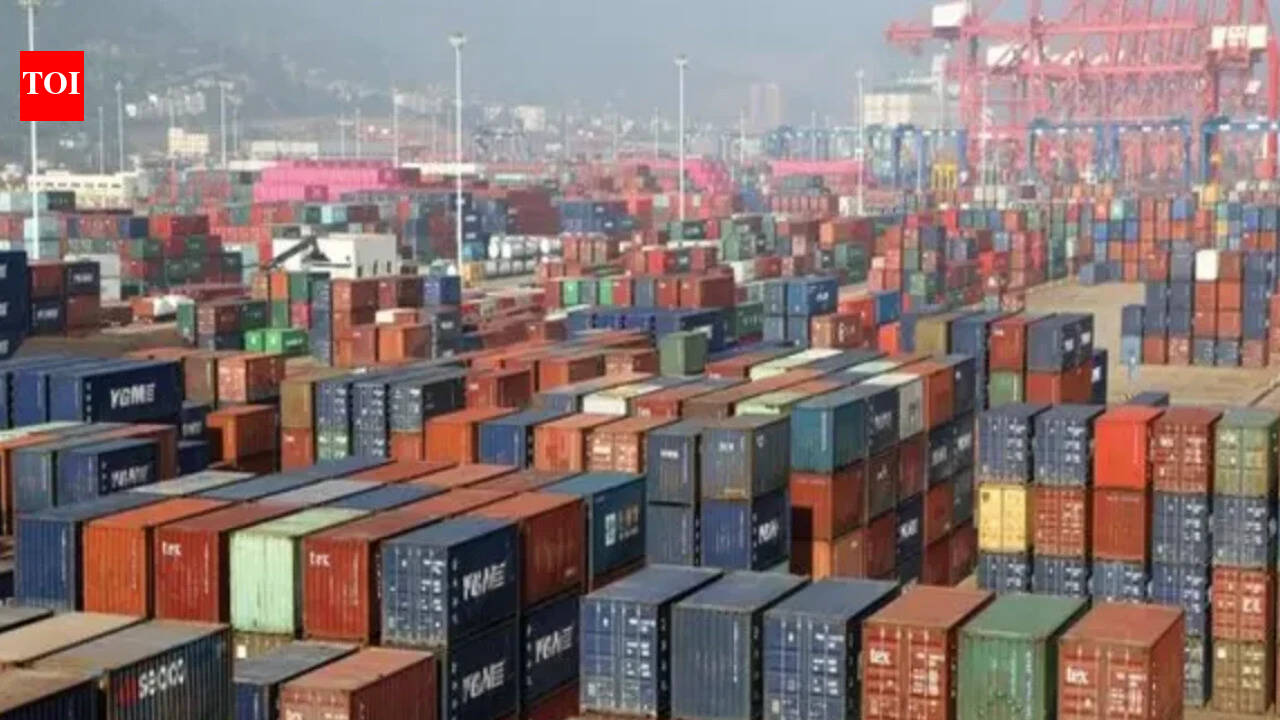
In a significant economic milestone, China has recorded a trade surplus of over $1 trillion for the second year in a row, reaching the figure earlier than expected. Between January and October, the country's trade surplus reached $1.04 trillion, according to customs data released on Tuesday. This surge is attributed to robust global demand for high-tech products, particularly those related to artificial intelligence (AI) infrastructure. China's exports increased by 35.2% in US dollar terms in October compared to the same period last year, while imports grew by 41.6%. Despite the stronger import growth, the trade surplus narrowed slightly in October. The export growth is indicative of China's growing reliance on overseas demand due to subdued domestic consumption and a prolonged property market downturn. However, the expanding surplus has raised concerns among trading partners, especially the European Union, which has expressed interest in imposing further trade restrictions. Analysts predict that Chinese technology products, including semiconductors and electronics, will continue to see strong demand through 2027, though this outlook depends on the duration of the AI investment boom. However, the expanding surplus could exacerbate trade tensions, particularly with the European Union. Meanwhile, China and the US have extended their trade truce for two more months, but the future of their relationship remains uncertain due to ongoing issues regarding agricultural product purchases. The weak domestic demand and intense competition at home are also pushing Chinese companies to expand overseas, potentially leaving the economy more vulnerable to global economic slowdowns or further trade restrictions.
Filed underBusiness
More stories
Business
Nvidia's CEO Scandal Raises Succession Questions Amidst China Espionage Allegations
Business
Chris Evans Lists Hollywood Hills Home for $6.39 Million After 13 Years
Business
Ramayana Smashes Diwali Box Office Records, Aims for Rs 2,000 Crore Global Success
Business
Personalized Astrology Predictions for November 10, 2025: Insights on Work, Love, and Financial Success Based on Name Letters
Business
Blockbuster Success: Ramayana Part 1 Breaks Records with Rs 664 Crore Box Office Haul
Business