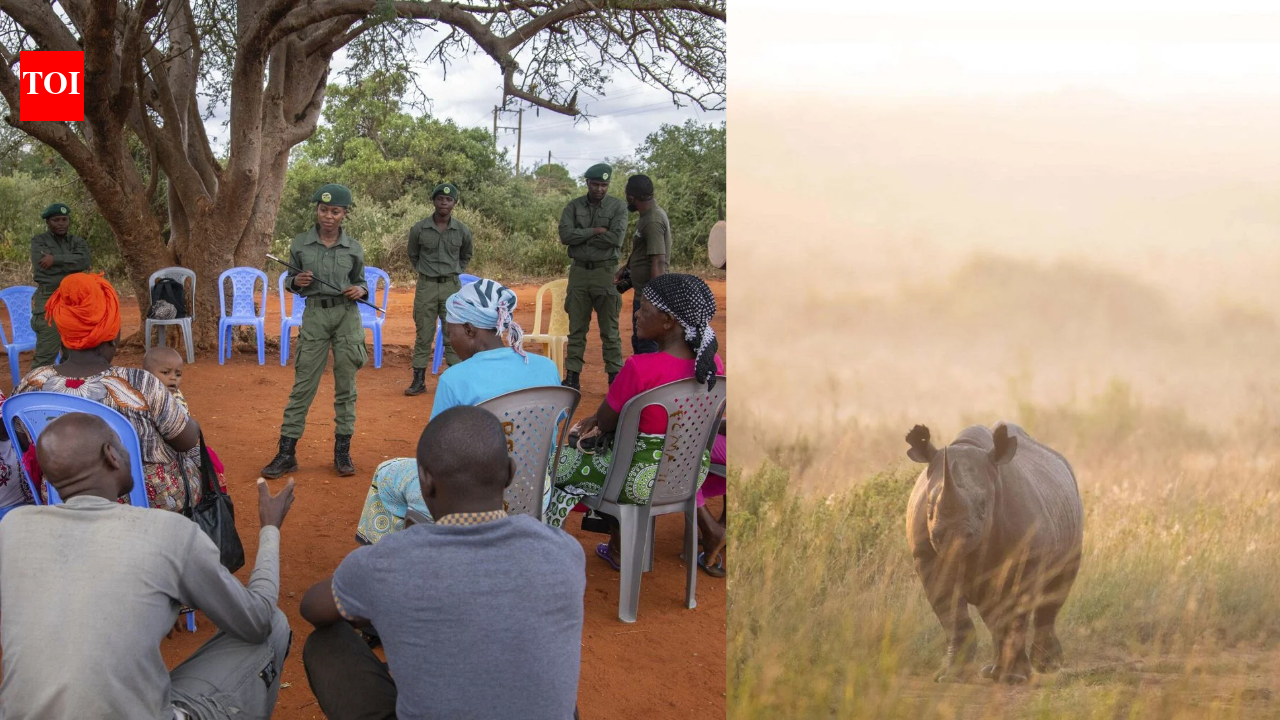
In a significant move for environmental conservation, Kenya has launched the Thamani Asili initiative, a $160 million plan aimed at protecting 17.3 million hectares of land over the next decade. The announcement was made on October 21, 2026, in Taita Taveta, Kenya. This initiative, meaning 'value of nature' in Kiswahili, seeks to revolutionize conservation funding and management by establishing a long-term financial arrangement for protecting wildlife and natural landscapes. The program brings together the Kenyan government, international conservation partners, and philanthropic donors.
The Thamani Asili initiative aims to involve local communities in conservation efforts rather than treating them as mere neighbors of protected areas. Many Kenyan communities living near wildlife habitats and protected landscapes may be affected by conservation policies regarding farming, livestock keeping, water access, and other sources of income. By making these communities active participants, the program hopes to strengthen conservation management while empowering residents in land, water, and natural resource decisions.
The financial arrangement behind Thamani Asili is based on contributions from international philanthropic donors and the Kenyan government. The structure, known as Project Finance for Permanence (PFP), aims to provide a more reliable financial foundation for conservation programs by pooling funding commitments from governments and conservation partners over an extended period. An independent organization, the Thamani Asili Fund for Kenya, will oversee the administration of the program.
This initiative is expected to contribute significantly to Kenya's goal of placing 30% of its land, inland waters, and near-shore ecosystems under conservation. The plan includes new conservation areas, improved management of existing ones, and better opportunities for communities to manage their own landscapes and natural resources. Additionally, Thamani Asili has a climate target: it aims to prevent the release of approximately 7.5 million tonnes of carbon emissions by 2035, contributing to Kenya's commitments under the Paris Agreement.
The economic side of the initiative includes creating jobs linked to tourism, grazing, and nature-based businesses. The program anticipates generating income through ecotourism, sustainable livestock grazing, carbon programs, and businesses built around natural resources. Employment projections are substantial, with approximately 7,800 direct jobs and another 15,000 indirect positions expected across the landscapes covered by the program. Up to 80,000 people could benefit from new livelihood and business opportunities.
Tourism is particularly relevant in Kenya, where wildlife and natural landscapes contribute significantly to an established visitor economy. Conservation areas support various businesses connected to wildlife tourism, including safari operations, accommodation providers, guides, and more. The Thamani Asili initiative offers a promising future for both conservation and local communities in Kenya.