Warning Signs Your Child Depends on AI for Learning: Here's What to Look Out For
As AI integration into daily life continues to grow, a growing concern among parents is the potential dependence of children on these technologies for learning.
By News Rush Point Desk
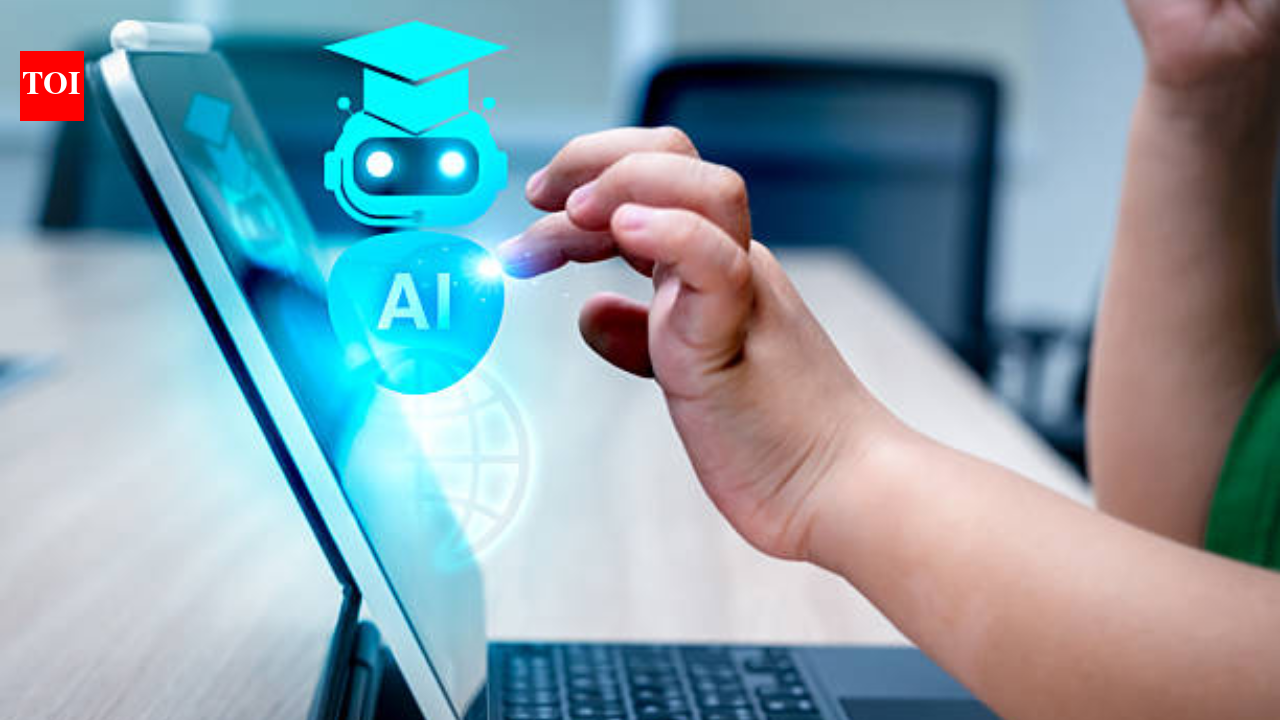
As AI integration into daily life continues to grow, a growing concern among parents is the potential dependence of children on these technologies for learning. A study published in 2025 by Harvard University found that undergraduates learned twice as much from an AI tutor compared to traditional classroom instruction. However, over-reliance on AI can hinder a child's ability to learn and think independently. Here are five signs of excessive AI dependence and what parents can do about it: 1. The quality of work is high but the child cannot explain it: In a 2025 study with 117 university students, those using ChatGPT produced high-quality essays but did not demonstrate increased learning. Parents should encourage their children to walk through their work and explain their thought process. 2. Grades drop when AI is unavailable: A field experiment published in PNAS in 2025 found that high school math students who practiced with an unrestricted chatbot performed well on practice problems but scored 17% lower than those without AI during exams. Parents should encourage their children to practice with AI but also test them without it. 3. The child's first move is to ask the AI instead of trying: A German study in 2024 found that university students who used a chatbot reported less mental effort and demonstrated shallower reasoning compared to those using traditional search methods. Parents should encourage their children to attempt problems on their own before turning to AI for help. 4. Confidence comes from the AI source, not from understanding: A Microsoft survey in 2025 found that the more people trusted AI, the less critical thinking they reported. Parents should encourage their children to ask questions like "How do you know?", "What did it leave out?", and "Who says otherwise?" 5. The child considers the AI a confidant: A third of teenagers who use AI companions have chosen the AI over a person for serious conversations, and a quarter have shared private information with it. Parents should ensure that their children turn to humans first when they need help or advice. It is important to note that the use of AI is not inherently harmful, as calculators have been shown to improve children's math skills when used alongside traditional teaching methods. Parents and educators must work together to ensure that children use AI as a tool to aid learning rather than as a crutch that hinders independent thinking and critical analysis.
Filed underTech
More stories
Tech
Spouse of Nvidia CEO Faces Scandal and National Security Investigation
Tech
Nvidia CEO Jensen Huang under scrutiny for affair with alleged Chinese spy
Tech
Nvidia CEO's Personal Scandal Threatens U.S.-China AI Chip Exports
Tech
Nvidia CEO Jensen Huang Accused of Espionage Amid Alleged Affair with Chinese Business Executive
Tech
FBI Probes Nvidia CEO Jensen Huang Over Affair with Suspected Chinese Spy
Tech