US Shifts Iran Strategy from Military to Economic Pressure, Avoids New Strikes for Now
In a significant shift, the United States has announced it will not initiate new military action against Iran in the near future.
By News Rush Point Desk
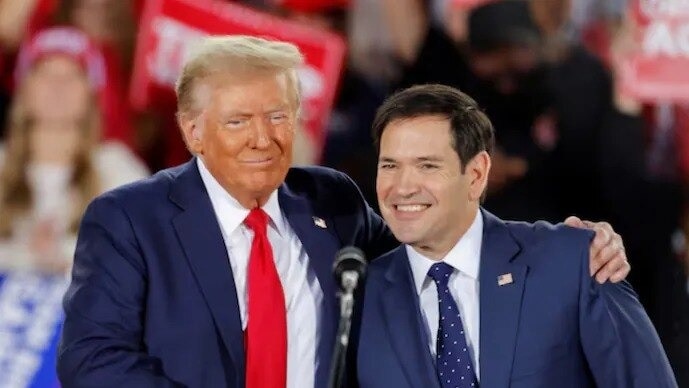
In a significant shift, the United States has announced it will not initiate new military action against Iran in the near future. Instead, Secretary of State Marco Rubio indicated Washington would intensify economic and maritime pressure, particularly through naval blockades, sanctions, and efforts to keep oil shipments flowing in the strategically vital Strait of Hormuz. This move appears to be part of an effort by the Trump administration to avoid large-scale combat operations while economically squeezing Iran. However, military action remains a possibility if Iran attacks first. The US has been clearing mines from the strait and reportedly seen a rise in tanker traffic using its southern passage, signifying a substantial reduction in Iran's ability to restrict energy flows. The US naval blockade has also significantly curtailed Iran's oil exports, with few tankers spotted at Kharg Island, the country's main oil export terminal, recently. Meanwhile, diplomatic efforts to reach a broader settlement remain deadlocked, and large-scale hostilities have eased but not ceased entirely. The security situation in the waterway also remains fragile, with an oil tanker struck by an unidentified projectile on Tuesday near the entrance to the strait. Pakistan's army chief recently visited Iran for talks, continuing diplomatic efforts to mediate between Washington and Tehran. The US has reiterated its position that Iran must not obtain a nuclear weapon and has announced further sanctions measures against the country.
Filed underWorld
More stories
World
Bangladesh: Over 2,000 Higher Education Professionals Face Political Persecution, Report Finds
World
Collapse at Pakistan's Tarbela Dam Project Halts Construction, Investigation Reveals Design Flaws and Contractual Breaches
World
French Officials Accuse Iran's IRGC of Cyberattacks on Refrigeration Sites Across France
World
White House Briefly Locked Down Due to Car Crash and Barricade Jumping Nearby
World
Trilateral Peace Talks in Abu Dhabi: Ukraine, Russia, and US Discuss Security Guarantees and Territorial Disputes
World