US-China Relations Tense as Trump's Economic Sanctions on Iran Could Impact China
The Trump administration is considering targeting China to enforce economic sanctions against Iran, which could potentially cripple the Middle Eastern nation's economy.
By News Rush Point Desk
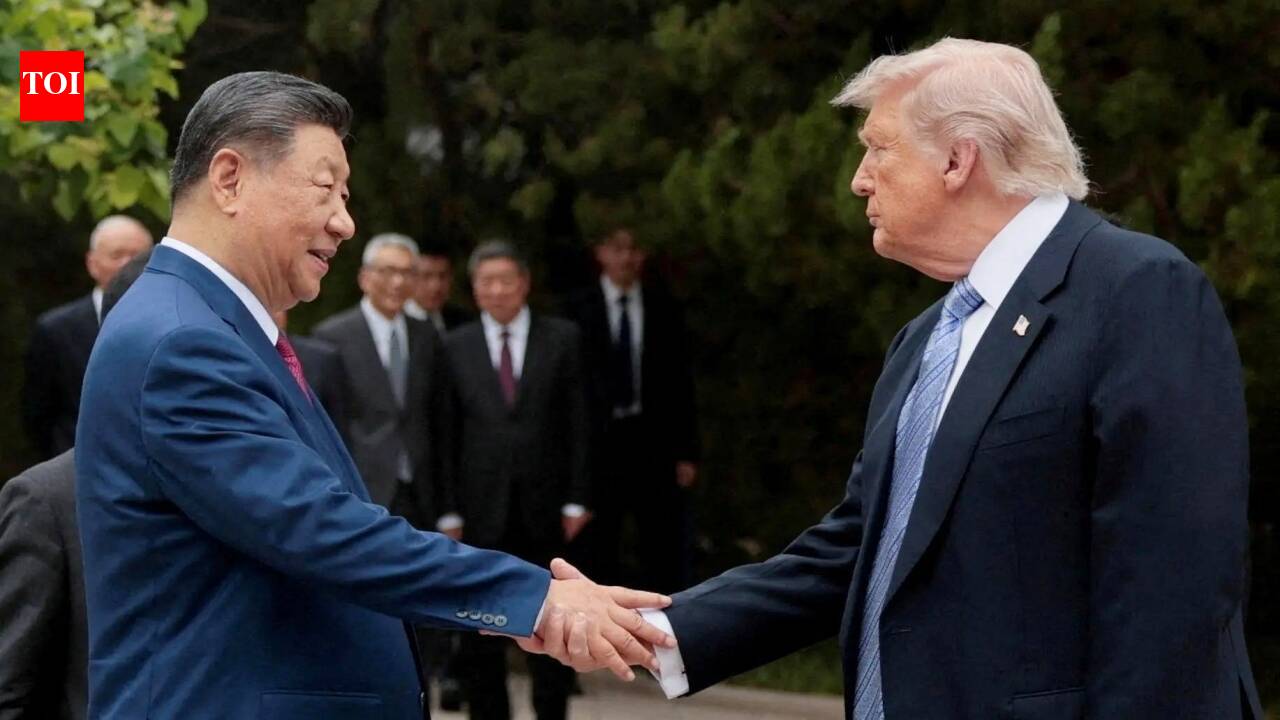
The Trump administration is considering targeting China to enforce economic sanctions against Iran, which could potentially cripple the Middle Eastern nation's economy. However, with a fragile trade truce in place between the world's two largest economies, it remains uncertain whether the US will take on China due to concerns over global economic instability. Treasury Secretary Steven Mnuchin recently threatened an "economic D-Day" against Iran, which could put Washington at odds with China, its biggest trading partner. China is the primary buyer of Iranian crude oil, and any serious attempt to cut off Iran's remaining sources of revenue would be challenging without also targeting Chinese companies. The US has previously threatened secondary sanctions on countries or companies purchasing Iranian oil but never implemented them. The latest move aims to shift focus away from military escalation towards economic pressure, but excluding China from such a campaign could limit its impact on Iran, while targeting Chinese companies could trigger retaliation and potentially add to global economic pressure. However, imposing sanctions on China risks straining US-China relations ahead of the expected meeting between President Trump and Xi Jinping in September. Treasury Secretary Mnuchin has been evasive about action against Chinese companies aiding Iran's trade, stating that "no one is above the reach of US sanctions" but preferring "quiet diplomacy." Experts caution that blacklisting Chinese companies could lead to another economic confrontation between Washington and Beijing. If the US were to impose significant measures on China, such as targeting a Chinese bank, Beijing might retaliate by imposing additional export restrictions on critical minerals essential for global manufacturing or curbing pharmaceutical exports to the US, causing substantial damage to the US economy.
Filed underWorld
More stories
World
Bangladesh: Over 2,000 Higher Education Professionals Face Political Persecution, Report Finds
World
Collapse at Pakistan's Tarbela Dam Project Halts Construction, Investigation Reveals Design Flaws and Contractual Breaches
World
French Officials Accuse Iran's IRGC of Cyberattacks on Refrigeration Sites Across France
World
White House Briefly Locked Down Due to Car Crash and Barricade Jumping Nearby
World
Trilateral Peace Talks in Abu Dhabi: Ukraine, Russia, and US Discuss Security Guarantees and Territorial Disputes
World