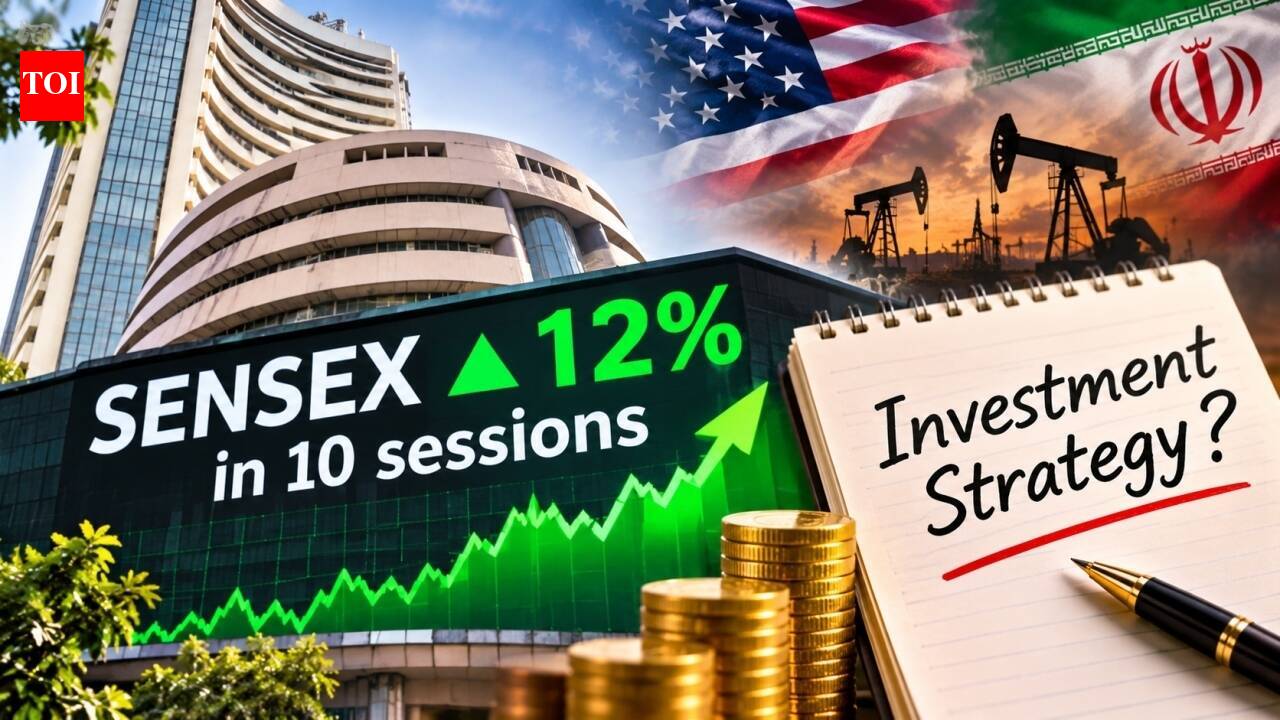
The BSE Sensex has experienced a remarkable surge in the past ten trading sessions, gaining over 8,600 points and increasing by 11.8%. This significant rise brings the market back to its highest levels since February 27, just before the US-Iran conflict erupted on February 28. The sudden change in sentiment began in late October, leading to a series of upgrades from global brokerages for Indian equities.
The rally has been driven by several factors: easing geopolitical concerns, a sharp correction in crude oil prices, a notable reversal in foreign institutional investor (FII) flows, and decent corporate earnings in the second quarter. The US midterm elections have also strengthened hopes of an end to the war with Iran, while global investors are reassessing their exposure to expensive US technology stocks and diversifying towards emerging markets like India.
Experts believe that the sustainability of this rally depends on the continuation of corporate earnings improvements and the easing of global uncertainties. However, they also warn of potential pullbacks of 3-5% as the market digests oil, Fed, and geopolitical news. They advise staggering the flow of fresh money over the next few months.
Investors are now faced with the question of whether to reassess their investment strategies in light of this rally. Experts suggest that in the short term, investors should avoid chasing the rally and use market volatility to gradually accumulate quality stocks. They advise exiting from underperforming companies with weak outlooks and focusing on quality-led rebalancing rather than aggressive portfolio restructuring. Investors should also consider reducing exposure to expensive stocks where valuations have outpaced earnings, increasing allocation towards quality businesses with sustainable growth prospects, and diversifying excessive sector concentration.