Silent Predator: The Rattlesnake Without a Rattle on Santa Catalina Island
Meet Crotalus catalinensis, the unique rattlesnake species found exclusively on Mexico's Santa Catalina Island in the Gulf of California.
By News Rush Point Desk
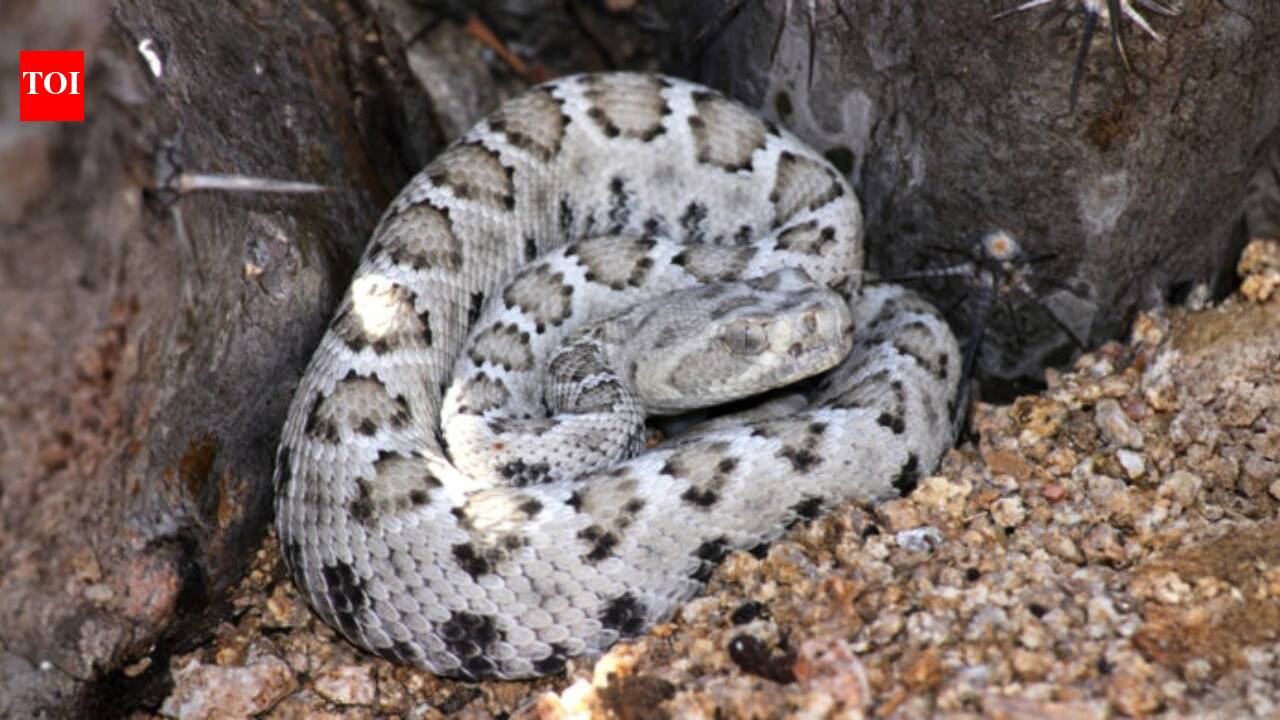
Meet Crotalus catalinensis, the unique rattlesnake species found exclusively on Mexico's Santa Catalina Island in the Gulf of California. Unlike its mainland counterparts, this venomous snake has no rattle, a trait that evolved due to centuries of isolation. The silence is not just about its tail; it influences every aspect of the snake's life, from diet (predominantly Santa Catalina deer mice and local lizards) to survival (relying heavily on these species that are found nowhere else). However, this isolation has left the snake vulnerable to habitat loss, invasive species, and human collectors, making its existence precarious. Researchers call it the "rattleless rattlesnake," and they're still puzzling over why it lost its rattle in the first place. Theories range from sneaking up on prey to evolving without large predators on the island. This fascinating creature is a testament to evolution and the strange adaptations that occur when species are isolated, but its survival hangs in the balance due to its narrow diet and geographical constraints.
Filed underIndia
More stories
India
St. Louis Drummer Bobby Taylor Passes Away After Long Cancer Battle
India
Daily Astrology Love Horoscope: Zodiac Insights on Romance for November 10, 2026
India
Retired Electrician Wins Inheritance Battle After Murder Accusation Overturned
India
Sustainable Diwali Decor: Revamp Your Home with Zero-Waste Ideas
India
Jeff Bezos Upgrades Miami Mansion as $234M Billionaire Bunker Dream Home Takes Shape
India