Russia Proposes Rail Link to Indian Ocean Amid Energy Crisis and Maritime Disruptions
Russian Deputy Prime Minister Marat Khusnullin has proposed a new railway route to the Indian Ocean, aiming to bypass strategically sensitive maritime chokepoints such as the Strait of Hormuz and…
By News Rush Point Desk
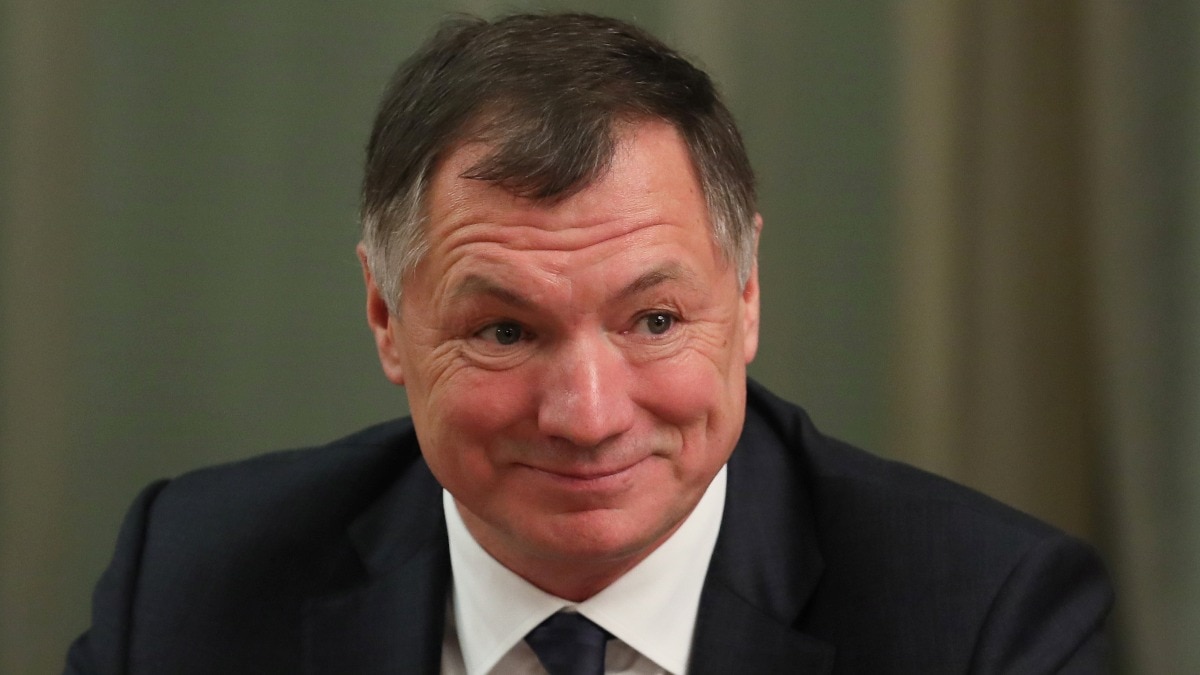
Russian Deputy Prime Minister Marat Khusnullin has proposed a new railway route to the Indian Ocean, aiming to bypass strategically sensitive maritime chokepoints such as the Strait of Hormuz and the Bosphorus. The proposed route would pass through Turkmenistan, Iran, Afghanistan, and Pakistan, providing an alternative to these potentially vulnerable points. This move comes amid sustained pressure on Russia's energy infrastructure due to the Ukraine conflict and repeated drone attacks on oil refineries, causing fuel shortages in the country. Additionally, disruptions to global shipping and energy markets due to the US-Iran war have highlighted the need for alternative trade routes. If implemented, this railway link could serve multiple purposes, including providing an alternative route for commercial goods, reducing exposure to maritime chokepoints, and potentially making trade with Asian markets more resilient in the face of sanctions and shipping disruptions. The proposal reflects a larger Russian push to diversify transport routes rather than rely heavily on maritime corridors that can be affected by wars, sanctions, or geopolitical disputes. The proposed railway corridor is being considered against the backdrop of increasing pressure from the Donald Trump administration and the West, who have approved legislation to impose tougher penalties on Russia and its petroleum product buyers, including major buyers such as India and China.
Filed underWorld
More stories
World
Bangladesh: Over 2,000 Higher Education Professionals Face Political Persecution, Report Finds
World
Collapse at Pakistan's Tarbela Dam Project Halts Construction, Investigation Reveals Design Flaws and Contractual Breaches
World
French Officials Accuse Iran's IRGC of Cyberattacks on Refrigeration Sites Across France
World
White House Briefly Locked Down Due to Car Crash and Barricade Jumping Nearby
World
Trilateral Peace Talks in Abu Dhabi: Ukraine, Russia, and US Discuss Security Guarantees and Territorial Disputes
World