Reviving the Bald Eagle Population: A Success Story from New York
In the brink of extinction, bald eagle populations in the United States faced habitat destruction, direct shooting, and pesticide use during the mid-20th century.
By News Rush Point Desk
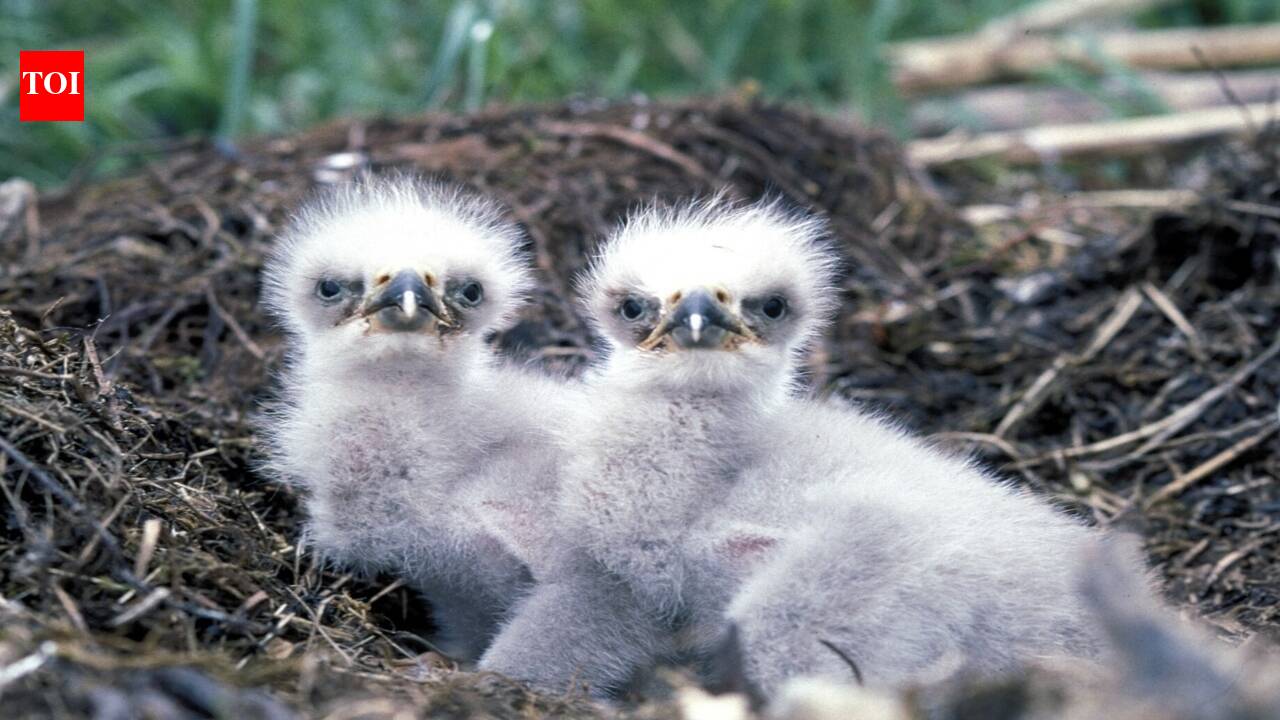
In the brink of extinction, bald eagle populations in the United States faced habitat destruction, direct shooting, and pesticide use during the mid-20th century. The most lethal threat was DDT, a persistent chemical pesticide that affected calcium processing in adult eagles, leading to fragile eggshells. By 1976, only one breeding pair remained in New York near Rushford Lake. A team of wildlife biologists, led by Peter Nye, devised an innovative plan called "hacking" to raise healthy young eagle chicks on artificial towers in New York and release them into the wild. Starting from a single hacking tower built in 1976 at Montezuma National Wildlife Refuge, the project expanded over the years, releasing 198 nestling bald eagles across four sites in New York. The technique proved successful when a pair of released eagles built a nest near Watertown and successfully fledged two chicks in 1980, marking a significant milestone in wildlife conservation. By 1989, the project achieved its goal of establishing 10 breeding pairs in New York, with the population growing dramatically over the years, reaching more than 400 breeding pairs by 2024. The hacking methods pioneered by Peter Nye and his team have influenced similar eagle reintroduction initiatives across North America.
Filed underIndia
More stories
India
St. Louis Drummer Bobby Taylor Passes Away After Long Cancer Battle
India
Daily Astrology Love Horoscope: Zodiac Insights on Romance for November 10, 2026
India
Retired Electrician Wins Inheritance Battle After Murder Accusation Overturned
India
Sustainable Diwali Decor: Revamp Your Home with Zero-Waste Ideas
India
Jeff Bezos Upgrades Miami Mansion as $234M Billionaire Bunker Dream Home Takes Shape
India