Removing Invasive Species Transforms Redonda into a Caribbean Paradise
In an incredible conservation success story, the small island of Redonda, belonging to Antigua and Barbuda, has been transformed from a barren volcanic outcrop into a thriving ecosystem.
By News Rush Point Desk
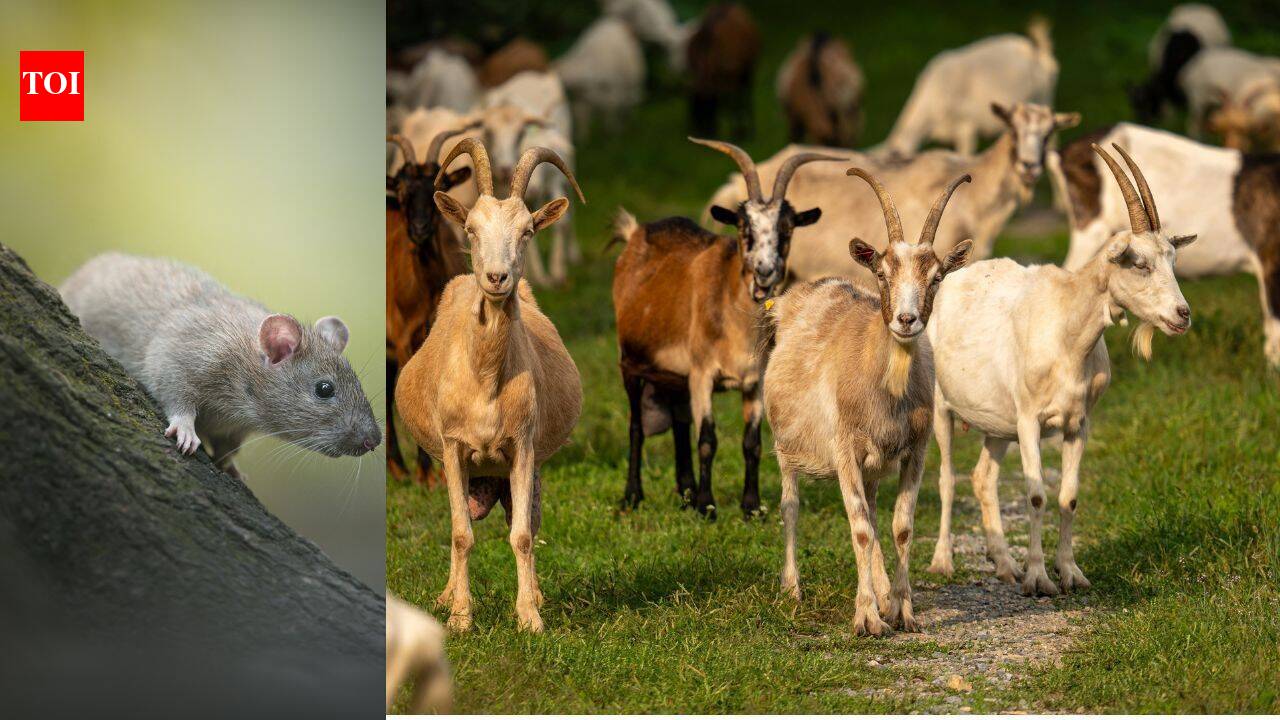
In an incredible conservation success story, the small island of Redonda, belonging to Antigua and Barbuda, has been transformed from a barren volcanic outcrop into a thriving ecosystem. This change occurred after thousands of starving goats and black rats were removed in 2016, allowing native plants and ground lizards to flourish. Within only a few months, vegetation cover increased more than 20-fold, while the population of Redonda's rare ground lizards rose eightfold. The recovery of this once desolate island has been hailed as one of the Caribbean's most remarkable conservation achievements, demonstrating how an ecosystem can quickly bounce back when invasive species are removed. The island, which provides important habitat for seabirds, reptiles, and unique plant species, was damaged by human activity during the 19th and early 20th centuries due to guano and phosphate mining, as well as the introduction of goats and rats. For decades, Redonda became increasingly bare, with its native plants struggling to survive, and endemic lizards and seabirds losing food, shelter, and safe breeding grounds. However, a major restoration program led by Antigua and Barbuda's Environmental Awareness Group and the Department of Environment, in collaboration with several international organizations, successfully removed the invasive animals, allowing nature to take its course. The results were almost immediate, with grass and native plants appearing across the island within months, and vegetation cover increasing dramatically over the following years. By 2019, the number of recorded plant species had risen from 17 to nearly 90, making Redonda a vibrant and diverse ecosystem once again. The recovery of Redonda's unique reptiles was one of the clearest benefits of the restoration program. With invasive rats no longer hunting young lizards and competing for food, endemic populations began to grow significantly. The Redonda ground lizard, sometimes called the Redonda ground dragon, saw an eightfold rise in its population during the early stages of recovery, while tree lizards also benefited, with their numbers increasing several times over. Invertebrate populations rose as vegetation recovered, providing more food for reptiles and birds. The transformation of Redonda serves as a powerful reminder of the potential for ecosystems to recover when given the chance, and highlights the importance of conservation efforts to protect endangered species and their habitats.
Filed underIndia
More stories
India
St. Louis Drummer Bobby Taylor Passes Away After Long Cancer Battle
India
Daily Astrology Love Horoscope: Zodiac Insights on Romance for November 10, 2026
India
Retired Electrician Wins Inheritance Battle After Murder Accusation Overturned
India
Sustainable Diwali Decor: Revamp Your Home with Zero-Waste Ideas
India
Jeff Bezos Upgrades Miami Mansion as $234M Billionaire Bunker Dream Home Takes Shape
India