Recognizing Relationship Patterns vs. Problems: A Key to Healthier Interactions
In every relationship, disagreements are inevitable, but what sets healthy relationships apart is the ability to distinguish between recurring patterns and isolated issues.
By News Rush Point Desk
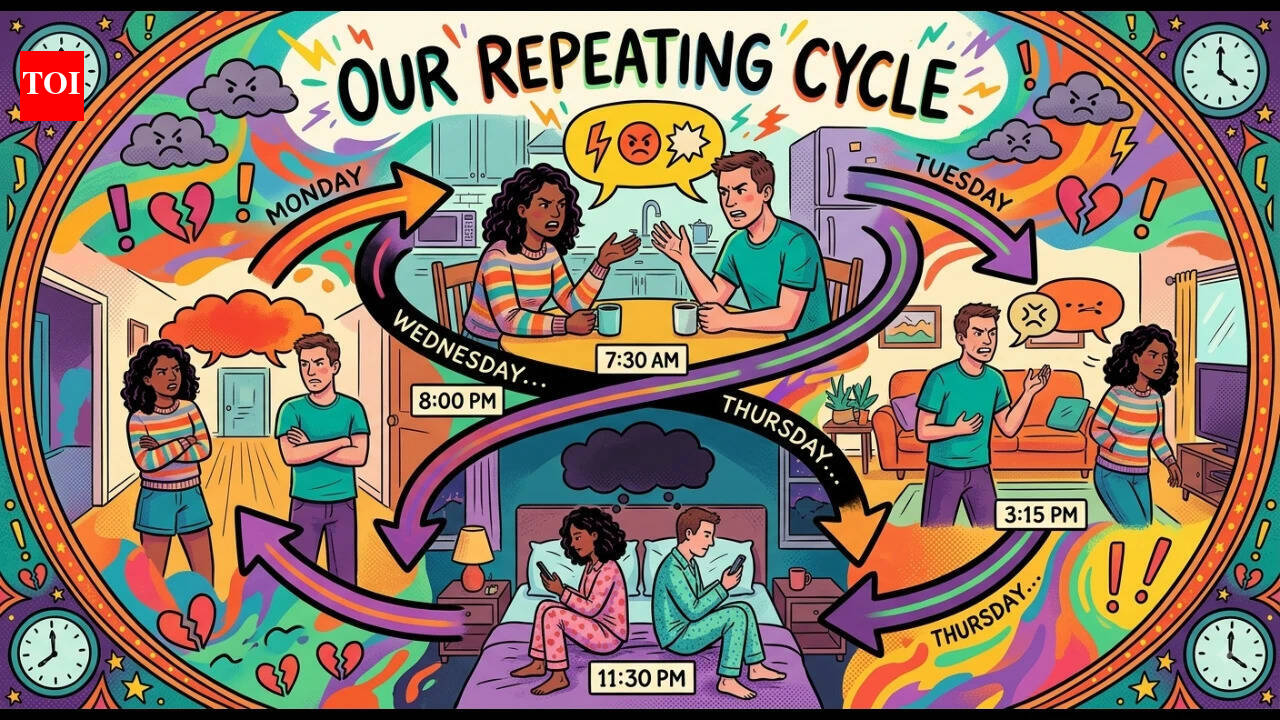
In every relationship, disagreements are inevitable, but what sets healthy relationships apart is the ability to distinguish between recurring patterns and isolated issues. While problems are unique events, patterns are behaviors that persistently occur, often masked by different triggers yet following a similar emotional script. A seemingly casual argument over household chores might actually stem from feelings of unappreciation, while an argument about cancelling plans could hide underlying feelings of insignificance. These recurring conflicts, rather than being about the immediate issue, often have deeper emotional roots that remain unresolved. Couples may find themselves having the same arguments for years, with one partner accusing the other of indifference and the other feeling unheard or criticized. Over time, these patterns can become self-reinforcing, leading to a dance of misunderstanding and frustration. However, understanding and breaking these patterns requires stepping back from the argument and asking uncomfortable questions, such as "What keeps happening between us when we are hurt?" Breaking the pattern involves changing the language of conflict from accusations to vulnerability, fostering empathy and understanding, and ultimately interrupting the cycle that has been learned over time.
Filed underIndia
More stories
India
St. Louis Drummer Bobby Taylor Passes Away After Long Cancer Battle
India
Daily Astrology Love Horoscope: Zodiac Insights on Romance for November 10, 2026
India
Retired Electrician Wins Inheritance Battle After Murder Accusation Overturned
India
Sustainable Diwali Decor: Revamp Your Home with Zero-Waste Ideas
India
Jeff Bezos Upgrades Miami Mansion as $234M Billionaire Bunker Dream Home Takes Shape
India