Rare American Sheep Breed Thrives Decades After Abandonment on Hog Island
On Virginia's Eastern Shore, a remote coastal community named Hog Island once thrived with families farming, fishing, and raising livestock.
By News Rush Point Desk
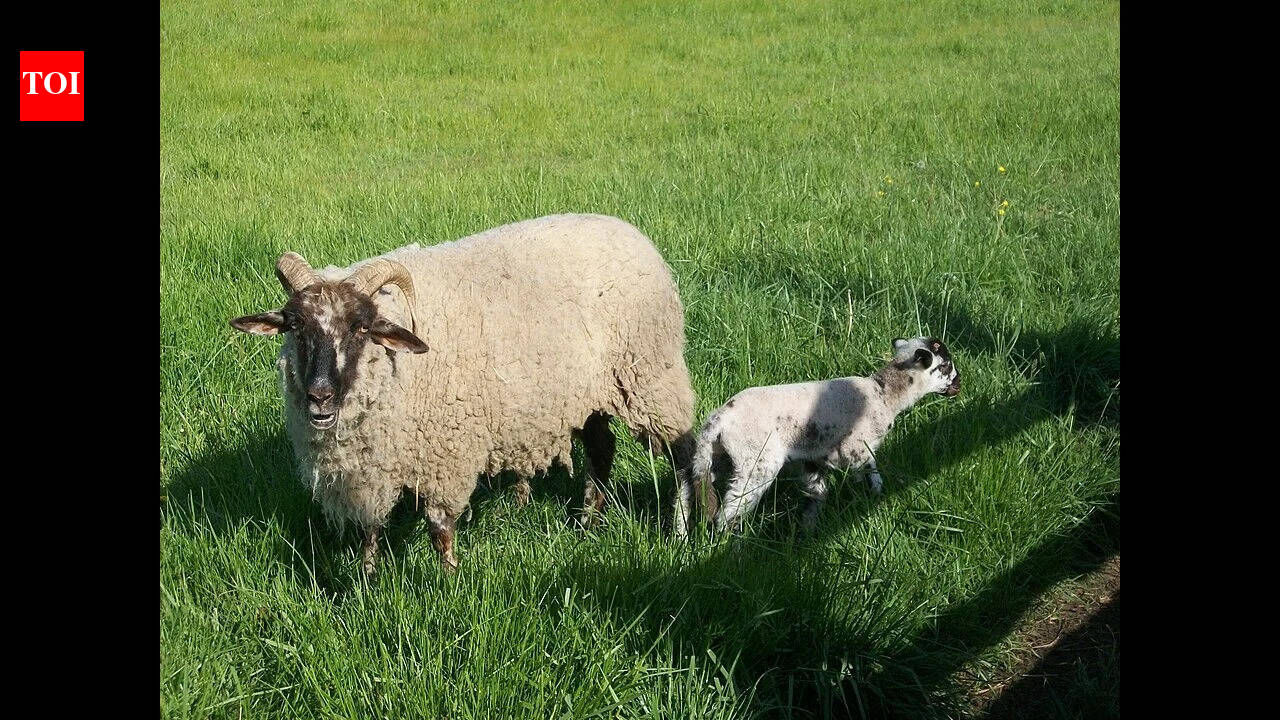
On Virginia's Eastern Shore, a remote coastal community named Hog Island once thrived with families farming, fishing, and raising livestock. Among the animals that shaped island life were small sheep allowed to roam freely. In 1933, a devastating hurricane inundated Hog Island, damaging homes and destroying much of its protective pine forest, leading to the gradual abandonment of the island by residents. However, some sheep remained on the island, where they continued to graze and reproduce without regular human care for decades. These sheep developed into a rare American breed known as Hog Island sheep, characterized by their small size, white or black wool, and hardy characteristics. In 1978, when conservation workers returned to the island, they found a thriving flock of these unique sheep that had survived despite the removal of most livestock from the island decades earlier. The remaining sheep were captured, with genetic research later identifying Hog Island sheep as a genetically distinctive population and preserving their genetic material through the National Animal Germplasm Program. Today, Hog Island sheep are maintained in managed breeding programs rather than on the island where they developed. Mount Vernon, a historic institution, raises the breed as part of its heritage livestock program and is working to conserve its small population. The Livestock Conservancy classifies Hog Island sheep as critical, with fewer than 2,000 estimated global population.
Filed underIndia
More stories
India
St. Louis Drummer Bobby Taylor Passes Away After Long Cancer Battle
India
Daily Astrology Love Horoscope: Zodiac Insights on Romance for November 10, 2026
India
Retired Electrician Wins Inheritance Battle After Murder Accusation Overturned
India
Sustainable Diwali Decor: Revamp Your Home with Zero-Waste Ideas
India
Jeff Bezos Upgrades Miami Mansion as $234M Billionaire Bunker Dream Home Takes Shape
India