Prehistoric Berry Bonanza: Fossils Suggest Dinosaurs Munched on Fruits Millions of Years Ago
In a groundbreaking discovery, scientists have unearthed evidence suggesting that Earth's forests during the Cretaceous Period were teeming with berries and other fleshy fruits.
By News Rush Point Desk
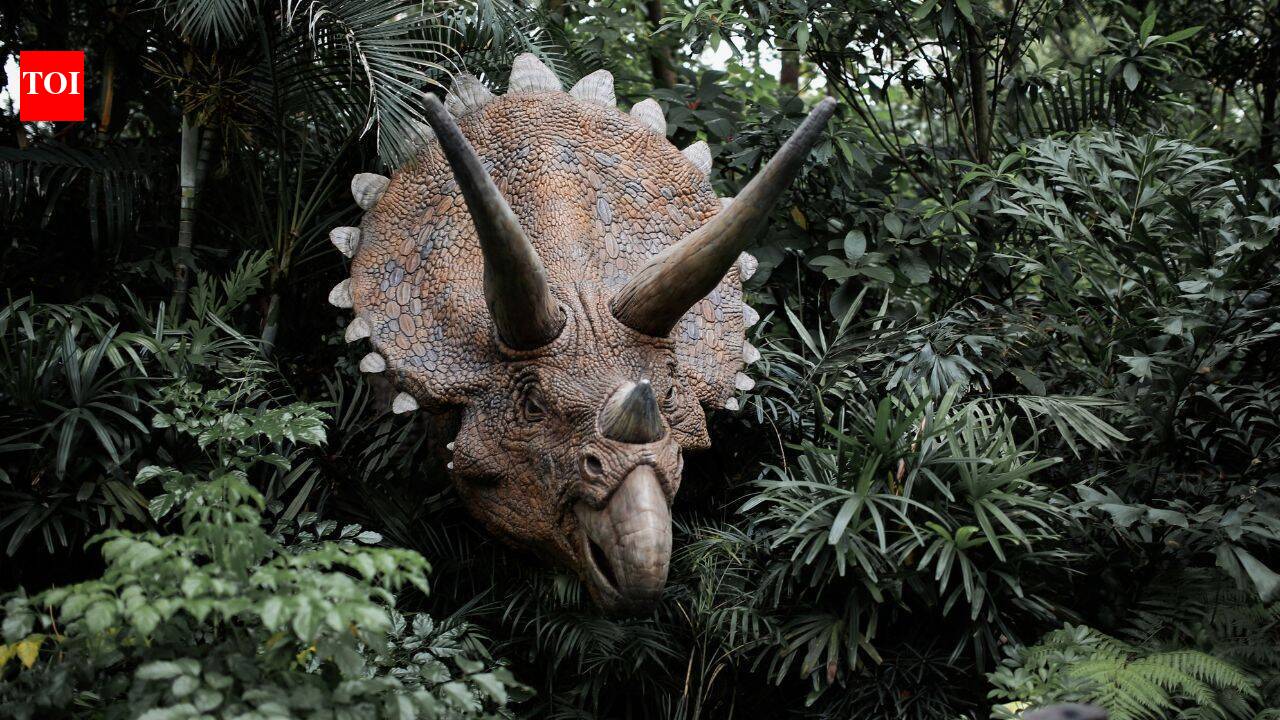
In a groundbreaking discovery, scientists have unearthed evidence suggesting that Earth's forests during the Cretaceous Period were teeming with berries and other fleshy fruits. A study published in ScienceNews reveals that tall forest trees were dispensing winged seeds and offering berry-like fruits to local wildlife approximately 74 million years ago. This finding challenges the long-held belief that flowering plants, or angiosperms, primarily relied on wind or physical elements for seed dispersal during the Cretaceous Period. The research team, led by Paleoecologist Jaemin Lee from the University of California, Berkeley, analyzed 450 fossilized diaspores recovered from volcanic ash in New Mexico between 1992 and 2016. They identified nearly 80 different shapes among the fossils, with more than a third resembling modern berries. The largest specimens were about the size of small dates. This discovery contradicts earlier assumptions that fruit diversity was low before the mass extinction, as records of large, fleshy fruits from that era were rare. Paleobiologist Brian Atkinson from the University of Kansas called this finding very important, stating that it proves larger fruit and seed sizes were already well established before the end of the Cretaceous. This aligns with other evolutionary trends of the era. The study also suggests that birds, mammals, and reptiles may have been consuming these fruits and spreading seeds through their waste. While matching prehistoric poop to specific animals remains a challenge, the team believes pterosaurs, early rodent-like mammals, ancient birds, and dinosaurs likely feasted on these new flowering plant fruits. As these fruit-bearing plants laid the foundation for the dense forests we see today, researchers plan to explore other fossil sites from the Late Cretaceous to confirm whether these berry-filled forests were growing worldwide.
Filed underIndia
More stories
India
St. Louis Drummer Bobby Taylor Passes Away After Long Cancer Battle
India
Daily Astrology Love Horoscope: Zodiac Insights on Romance for November 10, 2026
India
Retired Electrician Wins Inheritance Battle After Murder Accusation Overturned
India
Sustainable Diwali Decor: Revamp Your Home with Zero-Waste Ideas
India
Jeff Bezos Upgrades Miami Mansion as $234M Billionaire Bunker Dream Home Takes Shape
India