Pakistan, Saudi Arabia, and Turkey form defense pact: Implications for India and China
In a significant geopolitical move, Pakistan, Saudi Arabia, and Turkey have signed a mutual defense agreement in Mecca on August 7, reminiscent of NATO.
By News Rush Point Desk
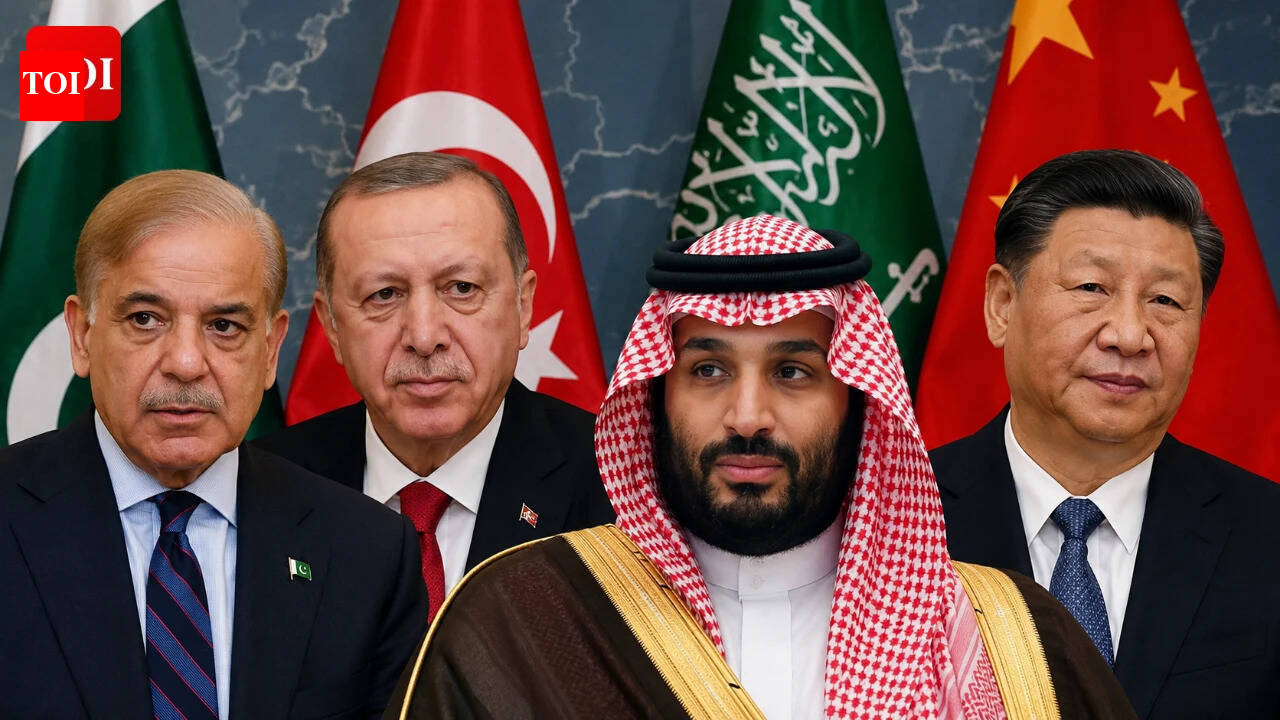
In a significant geopolitical move, Pakistan, Saudi Arabia, and Turkey have signed a mutual defense agreement in Mecca on August 7, reminiscent of NATO. This pact declares that any attack against one member will be considered an attack against all. While this development is seen as a setback for India due to its potential implications for Pakistan's security posture, China appears to be the quiet winner, with potential benefits in terms of increased access to Gulf markets for Chinese weapon systems. However, China should exercise caution to avoid jeopardizing US interests, particularly given the US's increasing focus on countering China. The agreement may also serve as a warning for China about the challenges and uncertainties inherent in modern warfare, especially in light of the ongoing conflicts in Ukraine and the Gulf region, which have demonstrated that military might is no guarantee of victory against weaker adversaries. This could potentially impact China's strategy towards Taiwan, given President Xi Jinping's stated goal of reunification with Taiwan by 2027. Meanwhile, the pact may spur Japan to further strengthen its military capabilities in response to China's growing assertiveness in East Asia.
Filed underWorld
More stories
World
Bangladesh: Over 2,000 Higher Education Professionals Face Political Persecution, Report Finds
World
Collapse at Pakistan's Tarbela Dam Project Halts Construction, Investigation Reveals Design Flaws and Contractual Breaches
World
French Officials Accuse Iran's IRGC of Cyberattacks on Refrigeration Sites Across France
World
White House Briefly Locked Down Due to Car Crash and Barricade Jumping Nearby
World
Trilateral Peace Talks in Abu Dhabi: Ukraine, Russia, and US Discuss Security Guarantees and Territorial Disputes
World