Pakistan PM Offers Dialogue on Kashmir Protests, Vows to Curb Anarchy
In a shift from previous approaches, Pakistan Prime Minister Shehbaz Sharif has extended an olive branch to protesters in Pakistan-occupied Kashmir (PoK), offering dialogue as a means of resolving…
By News Rush Point Desk
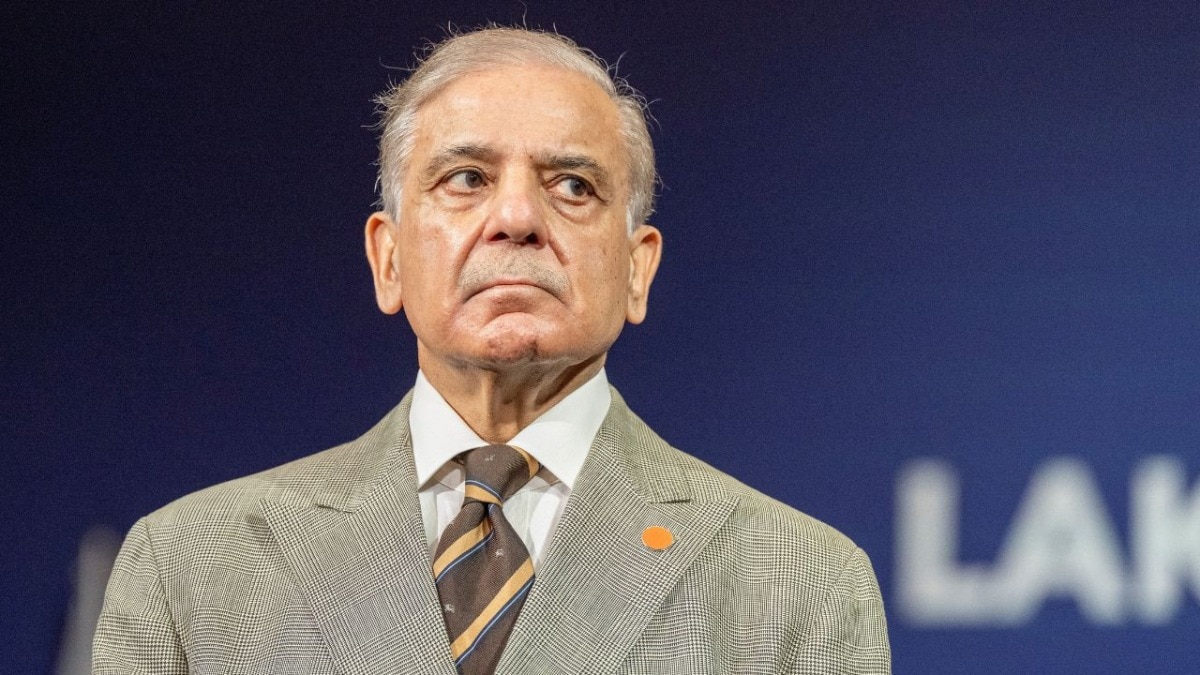
In a shift from previous approaches, Pakistan Prime Minister Shehbaz Sharif has extended an olive branch to protesters in Pakistan-occupied Kashmir (PoK), offering dialogue as a means of resolving mounting grievances over economic neglect, high electricity tariffs, and disputed elections. The move comes amidst months of protests, a security crackdown, and allegations of violence, resulting in the death of 80 groups of protesters since June. Sharif's comments follow recent signals from the Pakistan Muslim League-Nawaz (PML-N)—the party set to govern PoK post-elections—indicating a willingness to engage with the banned Awami Action Committee (JAAC), which has led the protests for over two months. Sharif also warned against anarchy, stating that those causing unrest would not be tolerated, while expressing hope for continued dialogue under the incoming government. The regional elections, marked by allegations of rigging and violence, have seen PML-N emerge as the dominant force with 25 out of 45 elected seats so far. However, polls in seven constituencies have been postponed, amidst escalating unrest and calls for accountability over actions against peaceful protesters. International human rights organizations, including Amnesty International and the Human Rights Commission of Pakistan, have called for investigations into reports of violence and urged authorities to protect demonstrators. The United Nations has also expressed concern over the security situation in PoK, stressing the importance of accountability for actions against peaceful protesters. India continues to assert that the entire PoK is an integral and inalienable part of its territory.
Filed underWorld
More stories
World
Bangladesh: Over 2,000 Higher Education Professionals Face Political Persecution, Report Finds
World
Collapse at Pakistan's Tarbela Dam Project Halts Construction, Investigation Reveals Design Flaws and Contractual Breaches
World
French Officials Accuse Iran's IRGC of Cyberattacks on Refrigeration Sites Across France
World
White House Briefly Locked Down Due to Car Crash and Barricade Jumping Nearby
World
Trilateral Peace Talks in Abu Dhabi: Ukraine, Russia, and US Discuss Security Guarantees and Territorial Disputes
World