New York's Bluebelt Strategy Saves Millions, Preserves Wetlands, and Boosts Water Management
In the 1990s, New York City adopted a groundbreaking approach to stormwater management by prioritizing wetland preservation over conventional sewer systems on Staten Island.
By News Rush Point Desk
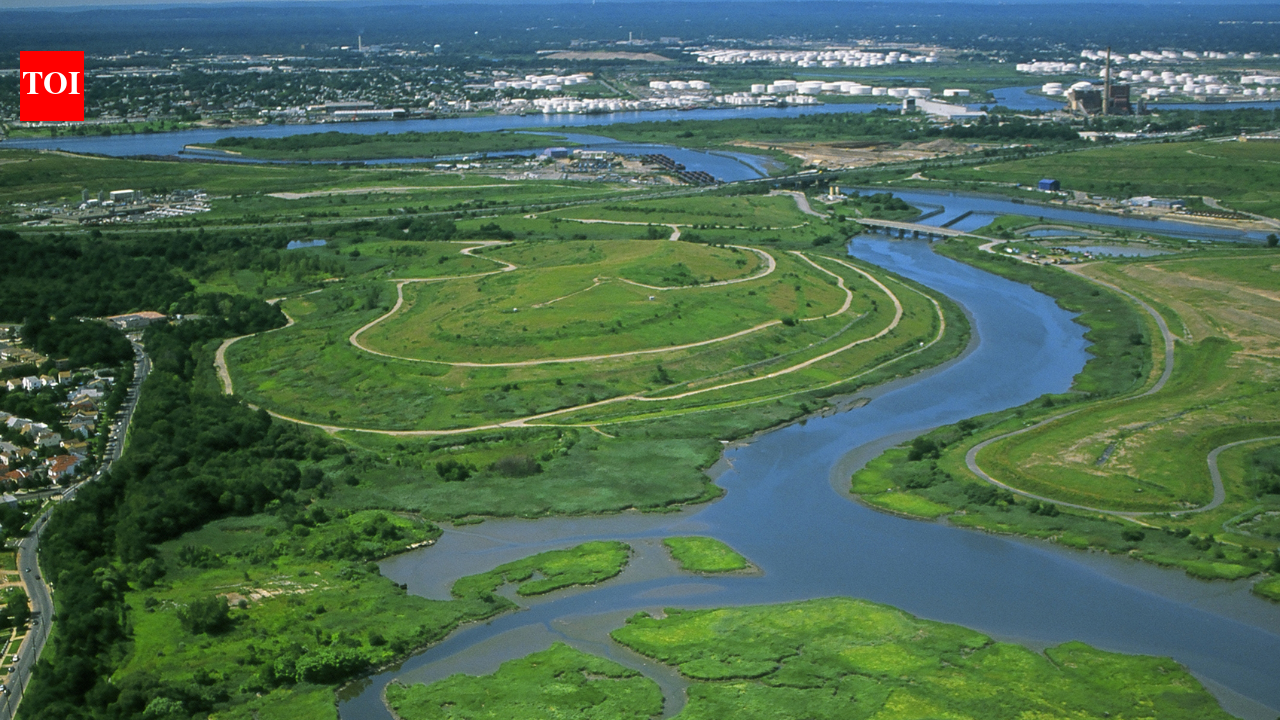
In the 1990s, New York City adopted a groundbreaking approach to stormwater management by prioritizing wetland preservation over conventional sewer systems on Staten Island. Known as the Bluebelt strategy, this initiative saved taxpayers $80 million in infrastructure costs and paved the way for city-wide water management reforms. Instead of constructing miles of underground concrete pipelines, the city preserved and restored natural streams, ponds, and freshwater marshes to safely direct rainwater into surrounding bays. The financial and environmental success of this strategy provided a blueprint for water management across New York City, leading to the incorporation of natural habitats into the municipal infrastructure toolkit alongside traditional treatment facilities. By 2011, the city's comprehensive water management framework outlined in PlaNYC 2011 Waterways plan aimed to manage runoff through a dual approach, combining grey engineering with green infrastructure. Grey infrastructure consists of concrete storage tanks, pumping stations, sewer mains, and centralized treatment plants, while green infrastructure captures stormwater at ground level before it enters the sewer system. Despite losses over the past century, important ecosystems have survived in Staten Island, the Upper East River, Western Long Island Sound, and Jamaica Bay, which remains one of the largest tidal wetland systems in the region, serving as a vital stopover for over 325 bird species and supporting more than 100 fish species. The strategy also addresses combined sewer overflows (CSOs) by launching its Green Infrastructure Plan in 2010, committing $1.5 billion over 20 years to capture stormwater at ground level before it enters the sewer system, ultimately reducing CSO volumes by 40% and saving ratepayers over $2 billion compared to building grey infrastructure alone. The framework also includes legislative mandates, site restoration targets, and the creation of a natural areas conservancy to coordinate public and private funding for long-term ecological care across the five boroughs. Tackling nitrogen runoff and climate surges remains crucial, with ongoing efforts to filter heavy metals, trap sediment, and provide physical flood protection for nearby neighborhoods while addressing nutrient pollution and rising sea levels.
Filed underIndia
More stories
India
St. Louis Drummer Bobby Taylor Passes Away After Long Cancer Battle
India
Daily Astrology Love Horoscope: Zodiac Insights on Romance for November 10, 2026
India
Retired Electrician Wins Inheritance Battle After Murder Accusation Overturned
India
Sustainable Diwali Decor: Revamp Your Home with Zero-Waste Ideas
India
Jeff Bezos Upgrades Miami Mansion as $234M Billionaire Bunker Dream Home Takes Shape
India