Navigating Sawan Mondays Abroad: Observing Shiva Vrat in the Diaspora
For Hindus living outside India, observing religious practices such as Sawan Mondays can present challenges due to cultural differences and logistical issues.
By News Rush Point Desk
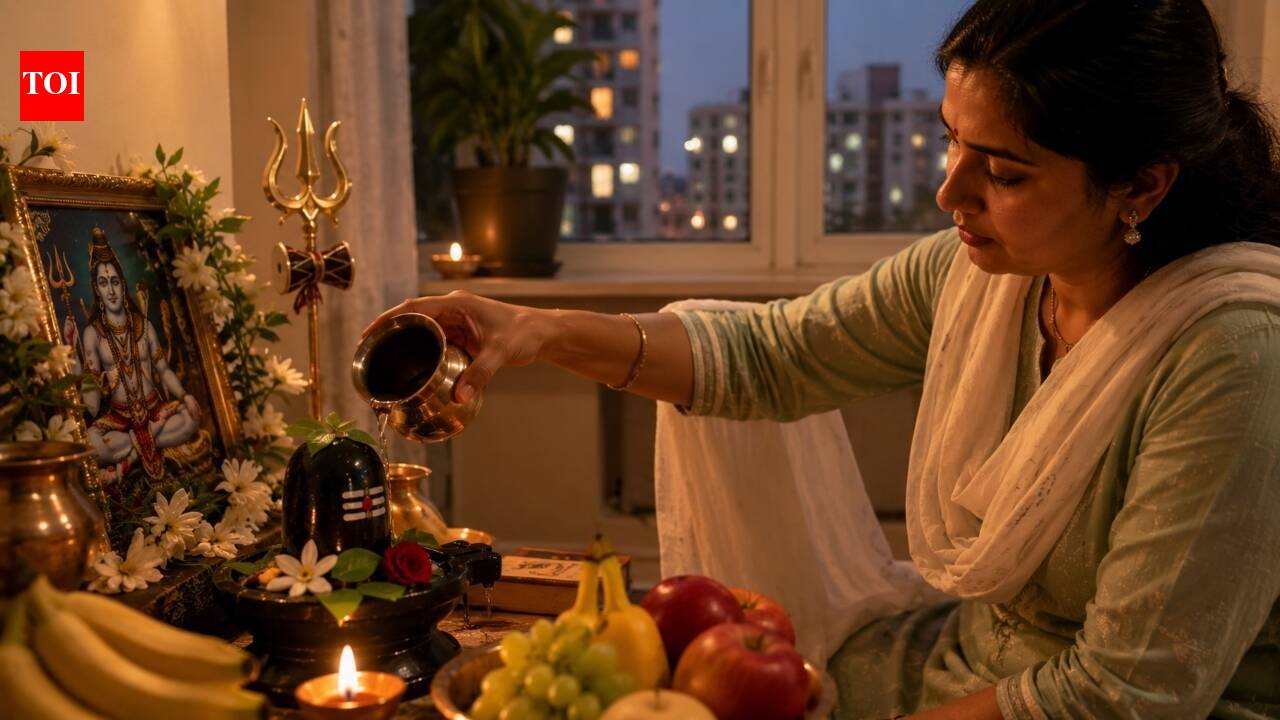
For Hindus living outside India, observing religious practices such as Sawan Mondays can present challenges due to cultural differences and logistical issues. The month of Shravana, also known as Sawan, is traditionally marked by Monday worship, simple offerings, and the chanting of the Shiva mantra. However, for those living in cities like Leicester, Edison, Houston, or Toronto suburbs with limited temple access, adhering to these practices may seem difficult due to long commutes, clashing temple timings, and family obligations. To help devotees maintain their religious observance, it's essential to understand the differences in Hindu calendar traditions, as Sawan dates may vary depending on whether one follows North Indian Purnimanta or South and West Indian Amanta reckoning. A city-specific panchang, a Hindu almanac, should be used to determine the correct Sawan Monday observance for each location. For those without nearby temples, home puja rituals can be simple yet effective, requiring only a clean surface, a picture or murti of Shiva, water, flowers, and fruit. The prayers offered at home may include the chanting of "Om Namah Shivaya" or the Mahamrityunjaya Mantra. Fasting during Sawan Mondays abroad should be adapted to suit individual lifestyles and health needs, with options ranging from nirjala fasting to fruit-based fasting or a sattvic meal in the evening. Children, pregnant people, the elderly, and those with health conditions are encouraged not to participate in fasting if it poses a risk to their health. Overall, maintaining religious practices such as Sawan Mondays abroad may require flexibility and creativity, but it is possible with proper understanding and adaptation.
Filed underIndia
More stories
India
St. Louis Drummer Bobby Taylor Passes Away After Long Cancer Battle
India
Daily Astrology Love Horoscope: Zodiac Insights on Romance for November 10, 2026
India
Retired Electrician Wins Inheritance Battle After Murder Accusation Overturned
India
Sustainable Diwali Decor: Revamp Your Home with Zero-Waste Ideas
India
Jeff Bezos Upgrades Miami Mansion as $234M Billionaire Bunker Dream Home Takes Shape
India