NASA's Skylab Mission Takes Fish to Orbit: Adapting to Life Beyond Earth
In a groundbreaking experiment in 1973, NASA launched two mummichogs and 50 eggs aboard the Skylab 3 spacecraft.
By News Rush Point Desk
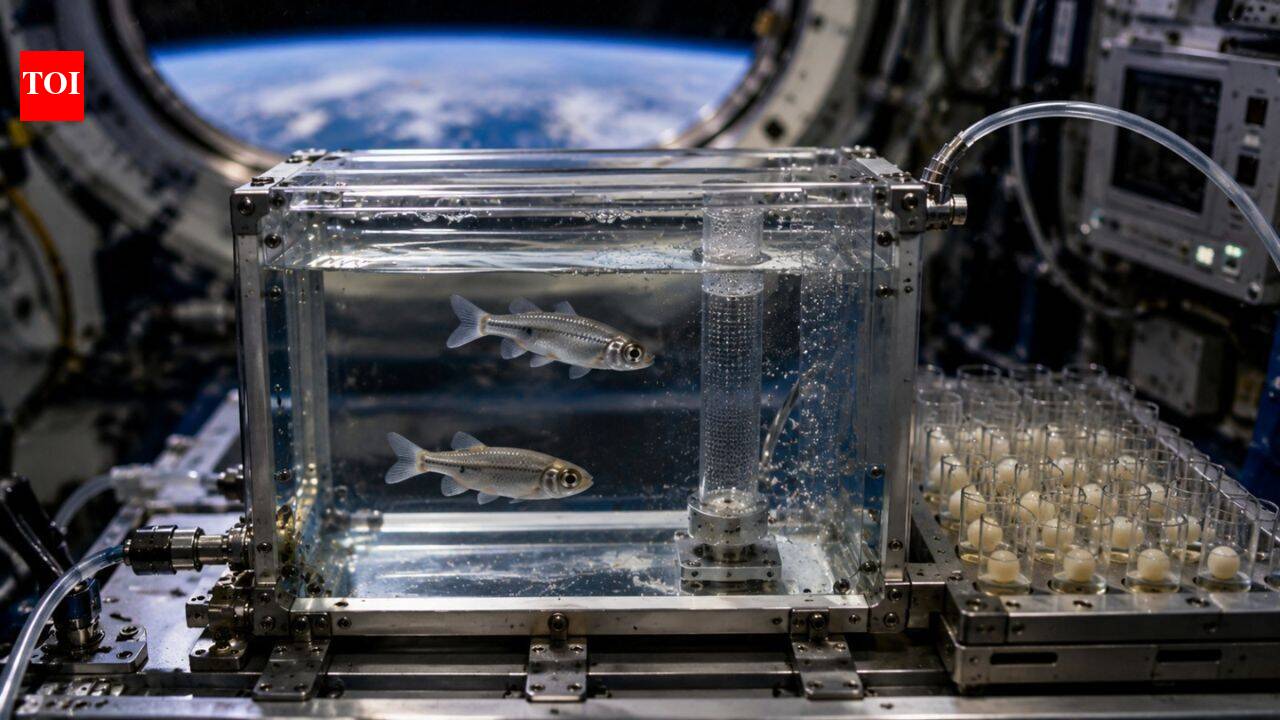
In a groundbreaking experiment in 1973, NASA launched two mummichogs and 50 eggs aboard the Skylab 3 spacecraft. This mission marked the first time fish had been sent into orbit, providing insights into how living organisms adapt to life without gravity. The mummichogs, a species native to North America's Atlantic coast, were selected for their resilience and ability to withstand changes in temperature and salinity. The objective was to study the human balance system, as astronauts often experience confusion when entering microgravity due to conflicting signals from their inner ears. The fish offered a unique perspective, as their vestibular systems respond to changes in orientation and they already have experience with buoyancy. The mummichogs initially exhibited disorientation, swimming in tight loops, but gradually adapted by using the aquarium's lights as a visual reference. The eggs hatched during the mission, producing fish that had never experienced gravity, revealing differences in their behavior compared to their adult counterparts. This experiment was a significant step towards understanding how living bodies adapt beyond Earth.
Filed underIndia
More stories
India
St. Louis Drummer Bobby Taylor Passes Away After Long Cancer Battle
India
Daily Astrology Love Horoscope: Zodiac Insights on Romance for November 10, 2026
India
Retired Electrician Wins Inheritance Battle After Murder Accusation Overturned
India
Sustainable Diwali Decor: Revamp Your Home with Zero-Waste Ideas
India
Jeff Bezos Upgrades Miami Mansion as $234M Billionaire Bunker Dream Home Takes Shape
India