Modern Touch Deprivation: A New Epidemic of Isolation
In a generation increasingly reliant on digital communication, physical touch has become scarce, leading to feelings of isolation and loneliness.
By News Rush Point Desk
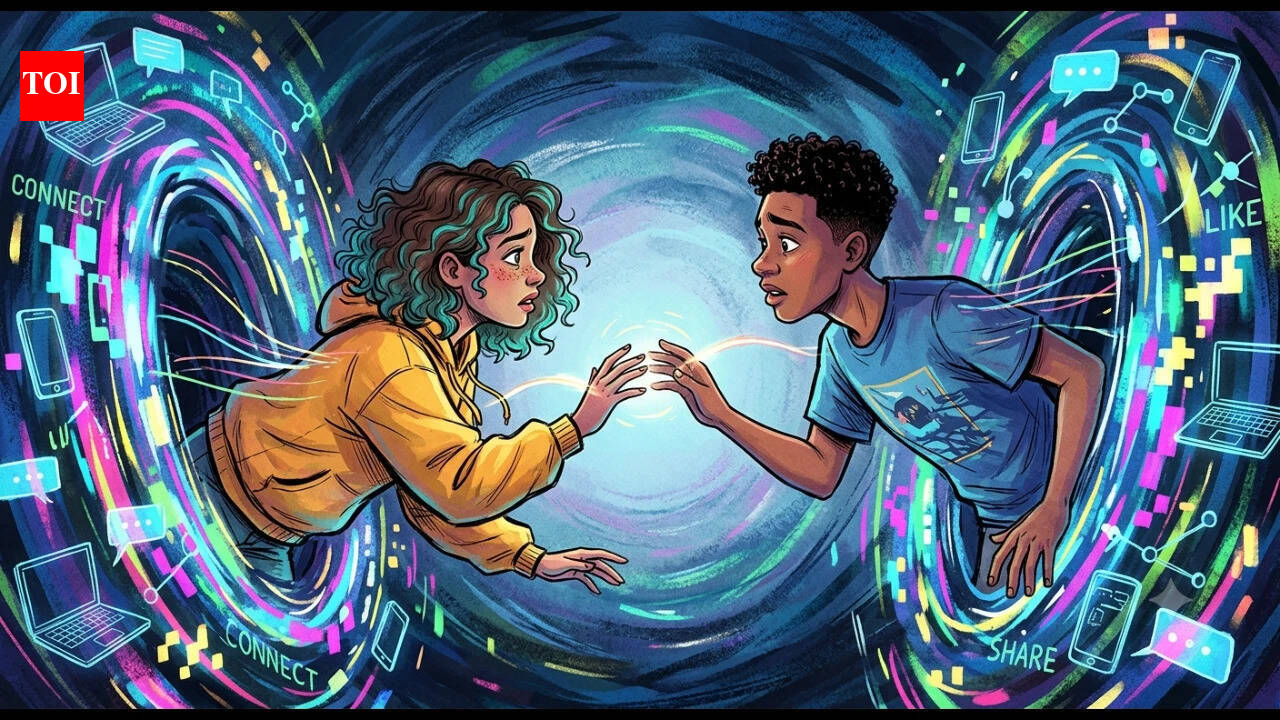
In a generation increasingly reliant on digital communication, physical touch has become scarce, leading to feelings of isolation and loneliness. Psychologists refer to this phenomenon as "touch starvation" or "skin hunger," indicating a real physical need for human contact beyond virtual interaction. The first experience of the world is through touch, yet in today's society, we seem to be living in the most-touch-starved times. The irony lies in our simultaneous yearning for touch while simultaneously recoiling from it due to fear of vulnerability and rejection. This modern paradox presents a central dilemma in maintaining intimacy in an age dominated by digital technology. Human biology cannot be satisfied solely by digital signals; our nervous system craves physical touch, as demonstrated through various studies in psychology, neuroscience, sociology, and philosophy. The human skin, our body's largest organ, is designed to connect us to the world and other people. A lack of physical affection affects our mental health, stress levels, and ability to form secure relationships. To combat this growing epidemic, it's crucial to prioritize meaningful in-person connections while navigating the complexities of digital interaction.
Filed underIndia
More stories
India
St. Louis Drummer Bobby Taylor Passes Away After Long Cancer Battle
India
Daily Astrology Love Horoscope: Zodiac Insights on Romance for November 10, 2026
India
Retired Electrician Wins Inheritance Battle After Murder Accusation Overturned
India
Sustainable Diwali Decor: Revamp Your Home with Zero-Waste Ideas
India
Jeff Bezos Upgrades Miami Mansion as $234M Billionaire Bunker Dream Home Takes Shape
India