Marco Polo's Unbelievable Journey Across Asia and the Legacy of Skepticism
In the late thirteenth century, Venetian traveler and writer Marco Polo embarked on an extraordinary 24-year journey across Asia, traversing harsh deserts and towering mountain ranges.
By News Rush Point Desk
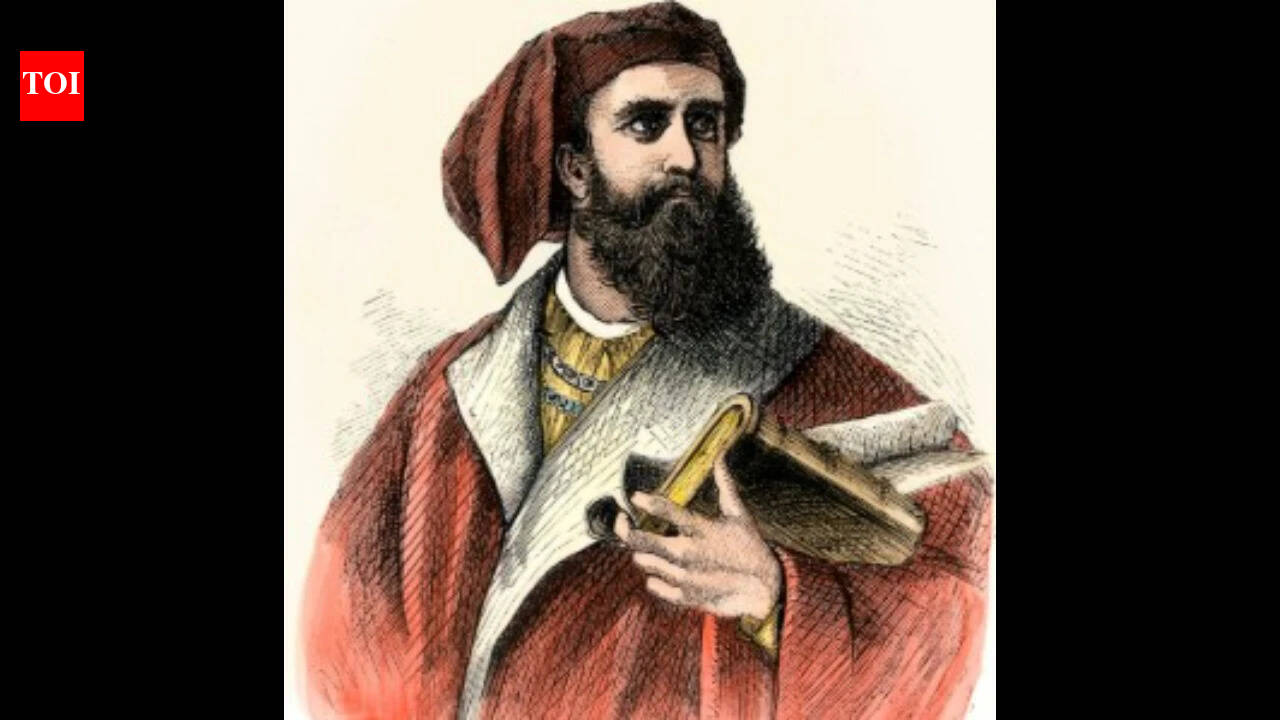
In the late thirteenth century, Venetian traveler and writer Marco Polo embarked on an extraordinary 24-year journey across Asia, traversing harsh deserts and towering mountain ranges. He served as a diplomat for Mongol Emperor Kublai Khan, traveling extensively through regions uncharted by Europeans. Upon his return to Venice in 1295, he brought back wealth, artifacts, and stories that defied local understanding. Despite initial disbelief, Marco Polo's book, 'The Travels of Marco Polo', introduced Europe to paper money, coal, advanced postal networks, massive cities, and exotic animals. His last words, 'I did not write half of what I saw, for I knew I would not be believed,' serve as a reminder that reality can often surpass human imagination, and that public opinion may not always be the ultimate judge of truth. Marco Polo's legacy continues to inspire explorers and researchers even today.
Filed underIndia
More stories
India
St. Louis Drummer Bobby Taylor Passes Away After Long Cancer Battle
India
Daily Astrology Love Horoscope: Zodiac Insights on Romance for November 10, 2026
India
Retired Electrician Wins Inheritance Battle After Murder Accusation Overturned
India
Sustainable Diwali Decor: Revamp Your Home with Zero-Waste Ideas
India
Jeff Bezos Upgrades Miami Mansion as $234M Billionaire Bunker Dream Home Takes Shape
India