Iran-Oman Deal, US Naval Blockade, and Regional Conflicts Escalate
On Monday, Yemen's military reported a Houthi attack on the Mocha port in Yemen, resulting in at least seven deaths and 30 injuries.
By News Rush Point Desk
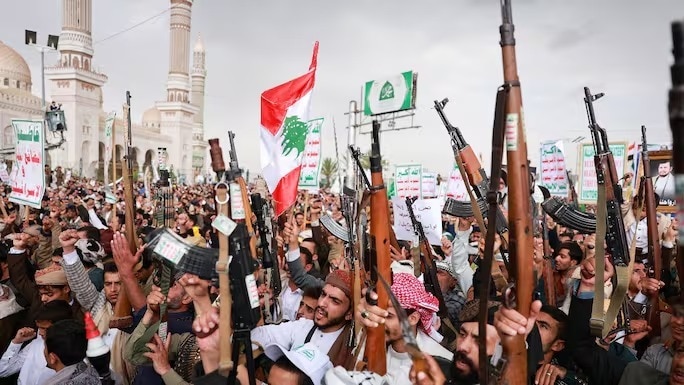
On Monday, Yemen's military reported a Houthi attack on the Mocha port in Yemen, resulting in at least seven deaths and 30 injuries. Oil prices surged as a result of uncertainty over the reopening of the Strait of Hormuz, with Brent crude climbing 1% to $84.46 per barrel and US West Texas Intermediate rising 0.78% to $78.79. Iran indicated that an agreement with Oman on new shipping routes is nearing completion but insisted the US must meet additional conditions before the Strait fully reopens. Meanwhile, the US military's Central Command (CENTCOM) reported redirecting 55 commercial vessels as part of its naval blockade targeting Iran, with more than 20 US warships currently deployed in the Middle East to enforce the blockade. In a significant development, Iran's Supreme Leader Mojtaba Khamenei appointed Mohsen Rezaee as secretary of the Supreme National Security Council, marking a shakeup in one of the country's most influential security positions. Elsewhere, Israeli troops entered Hadatha in southern Lebanon, setting several buildings on fire after an Israeli tank moved into the area. Iranian-backed Houthi rebels resumed attacks on the Red Sea port city of Mocha, launching several ballistic missiles and drones, according to Yemeni military spokesperson and Houthi-affiliated Al Masirah TV. In Gaza, US President Donald Trump's peace envoy Nickolay Mladenov called for the full implementation of the board’s Gaza plan to prevent a repeat of the October 7 attacks. Mladenov sought to address Israeli scepticism about the US-backed roadmap, stating that its implementation was necessary to ensure Gaza never poses a threat to Israel again. Egyptian Foreign Minister Badr Abdelatty called for a complete Israeli withdrawal from Gaza and the opening of the territory to allow sustained humanitarian aid. Oman's Sultan Haitham bin Tariq Al Said concluded a state visit to Qatar, discussing ways to strengthen bilateral ties and regional issues with Emir Sheikh Tamim bin Hamad Al Thani. The visit comes as Oman is negotiating with Iran on a joint framework for managing the Strait of Hormuz, a strategically important waterway for global energy shipments.
Filed underWorld
More stories
World
Bangladesh: Over 2,000 Higher Education Professionals Face Political Persecution, Report Finds
World
Collapse at Pakistan's Tarbela Dam Project Halts Construction, Investigation Reveals Design Flaws and Contractual Breaches
World
French Officials Accuse Iran's IRGC of Cyberattacks on Refrigeration Sites Across France
World
White House Briefly Locked Down Due to Car Crash and Barricade Jumping Nearby
World
Trilateral Peace Talks in Abu Dhabi: Ukraine, Russia, and US Discuss Security Guarantees and Territorial Disputes
World