India's Banking System Modernizes as Parliament Approves Digital Evidence Bill
In a significant move, the Rajya Sabha has passed the Bankers' Books Evidence Bill, 2026, replacing a 135-year-old law governing bank records used in court.
By News Rush Point Desk
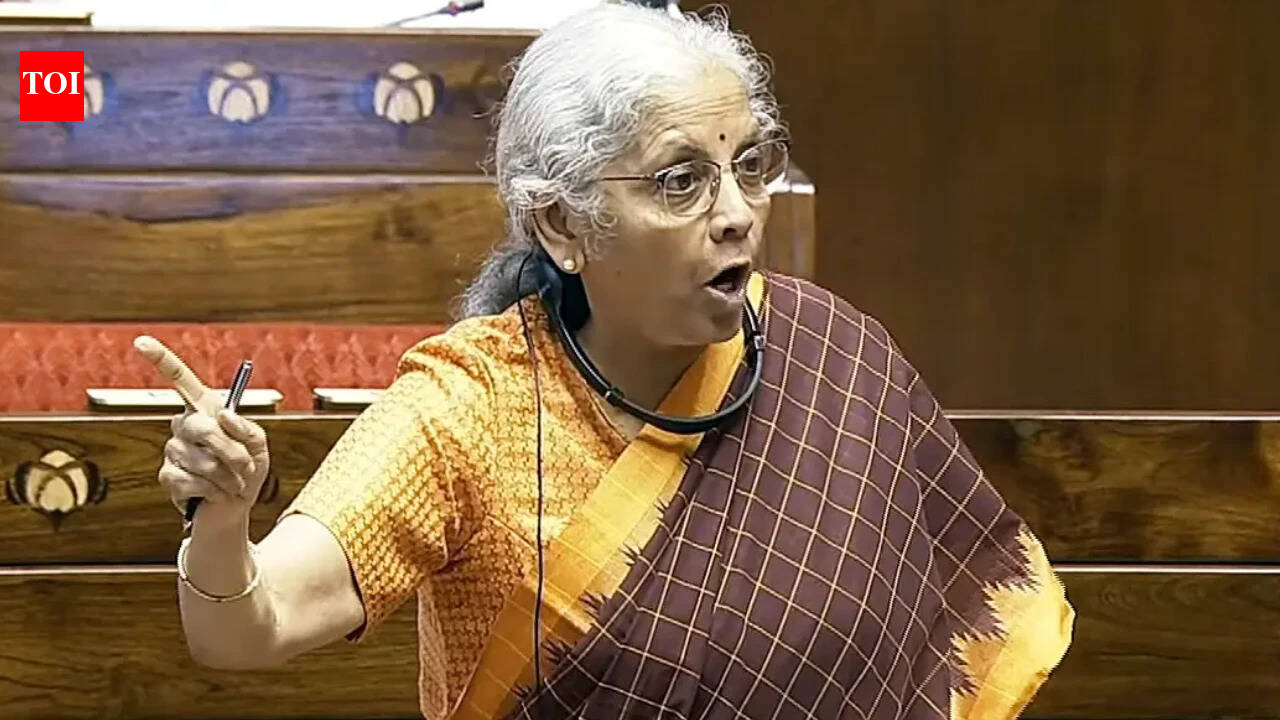
In a significant move, the Rajya Sabha has passed the Bankers' Books Evidence Bill, 2026, replacing a 135-year-old law governing bank records used in court. The Lok Sabha had already approved the bill on August 5, and it awaits presidential assent to become law. The new legislation acknowledges electronic, digital, virtual, and other modern forms of banking records as admissible evidence, adapting to India's increasingly digital banking system. The bill, however, was passed amid political tension, with opposition parties withdrawing from the House due to unaddressed concerns. The Bill clarifies the types of bank records acceptable as evidence under certain conditions and expands the definition of "bankers' books" to include digital records, among others. Union Finance Minister Nirmala Sitharaman stated that the bill provides a technology-neutral legal framework for Bankers Books and recognizes electronic and digital banking records. The bill requires safeguards against unauthorized changes, tampering, or issues affecting the accuracy and integrity of records. The legislation also allows the central government to extend the law to other financial sector entities through notification under specified conditions. When a court requests bank records, existing protection for bank officials largely remains in place, with exceptions such as doubts about record accuracy, interruptions in normal record-keeping processes, or noncompliance with court orders regarding record inspections. The opposition walked out during the bill's passage due to demands for Union Home Minister Amit Shah to address allegations concerning the use of pellet guns against students and protesters and accountability over donation theft or misappropriation at the Ram temple.
Filed underIndia
More stories
India
St. Louis Drummer Bobby Taylor Passes Away After Long Cancer Battle
India
Daily Astrology Love Horoscope: Zodiac Insights on Romance for November 10, 2026
India
Retired Electrician Wins Inheritance Battle After Murder Accusation Overturned
India
Sustainable Diwali Decor: Revamp Your Home with Zero-Waste Ideas
India
Jeff Bezos Upgrades Miami Mansion as $234M Billionaire Bunker Dream Home Takes Shape
India