Groundbreaking Wearable Device "Temple" Set for Launch in India, Revolutionizing Fitness Tracking for Athletes
Deepender Goyal, the founder of Zomato, is set to introduce an innovative wearable device named Temple in India.
By News Rush Point Desk
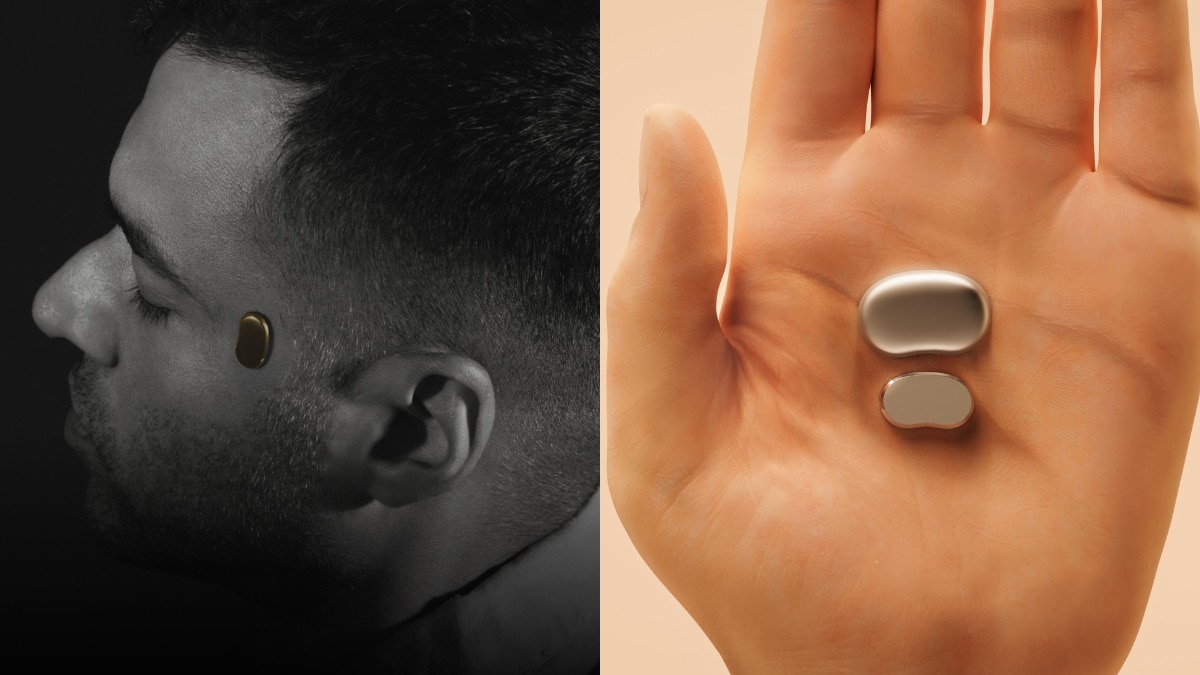
Deepender Goyal, the founder of Zomato, is set to introduce an innovative wearable device named Temple in India. Unlike traditional smartwatches or fitness bands, Temple is a tiny gadget that adheres to the side of the head between the forehead and ear. The high-performance tracker for athletes monitors both brain and body activity, making it a unique addition to the market. Already worn by athletes like PV Sindhu, Temple has been under experimental testing for some time now. Goyal recently announced that the device is nearing a limited launch, with pre-orders expected soon and shipments planned before the end of 2026. The latest version of Temple is said to be half the size of its predecessor, making it the smallest wearable on the market by volume. The exact dimensions and weight have not been disclosed yet. Temple's unique selling point is its ability to study cerebral blood flow, oxygenation, and body responses using signals from the temple region. The company has not revealed all technical details but claims that Temple provides continuous, non-invasive monitoring rather than occasional measurements. It can track changes over time, including during exercise, sleep, stress, recovery, and periods of intense concentration. For athletes, this information could complement conventional fitness data by showing physiological responses during training or recovery. Goyal has also highlighted a biomarker called Entropy, which is only readable on the temple region. Essentially, Entropy is a live number that reflects the body's metabolic and sympathetic activity in real-time. Sleep, stress, exercise, food, meditation, and even cold plunges can affect it. The company has divided this metric into two parts: Resting Entropy and Max Entropy. A lower Resting Entropy is considered better, while a higher Max Entropy is considered better, reflecting the body's efficiency at rest and its capacity when pushed hard, respectively. The price of Temple is yet to be revealed, with earlier reports suggesting around Rs 72,000, but Goyal later indicated it could launch at around $1,000 or roughly Rs 1 lakh.
Filed underIndia
More stories
India
St. Louis Drummer Bobby Taylor Passes Away After Long Cancer Battle
India
Daily Astrology Love Horoscope: Zodiac Insights on Romance for November 10, 2026
India
Retired Electrician Wins Inheritance Battle After Murder Accusation Overturned
India
Sustainable Diwali Decor: Revamp Your Home with Zero-Waste Ideas
India
Jeff Bezos Upgrades Miami Mansion as $234M Billionaire Bunker Dream Home Takes Shape
India