Georgia's Pasaquan: A Vibrant Visionary Art Environment Preserved After Decades of Work
In 1957, Eddie Owens Martin, an eccentric folk artist from rural Georgia, began transforming his inherited family property into a kaleidoscope of painted totems, geometric designs, and towering…
By News Rush Point Desk
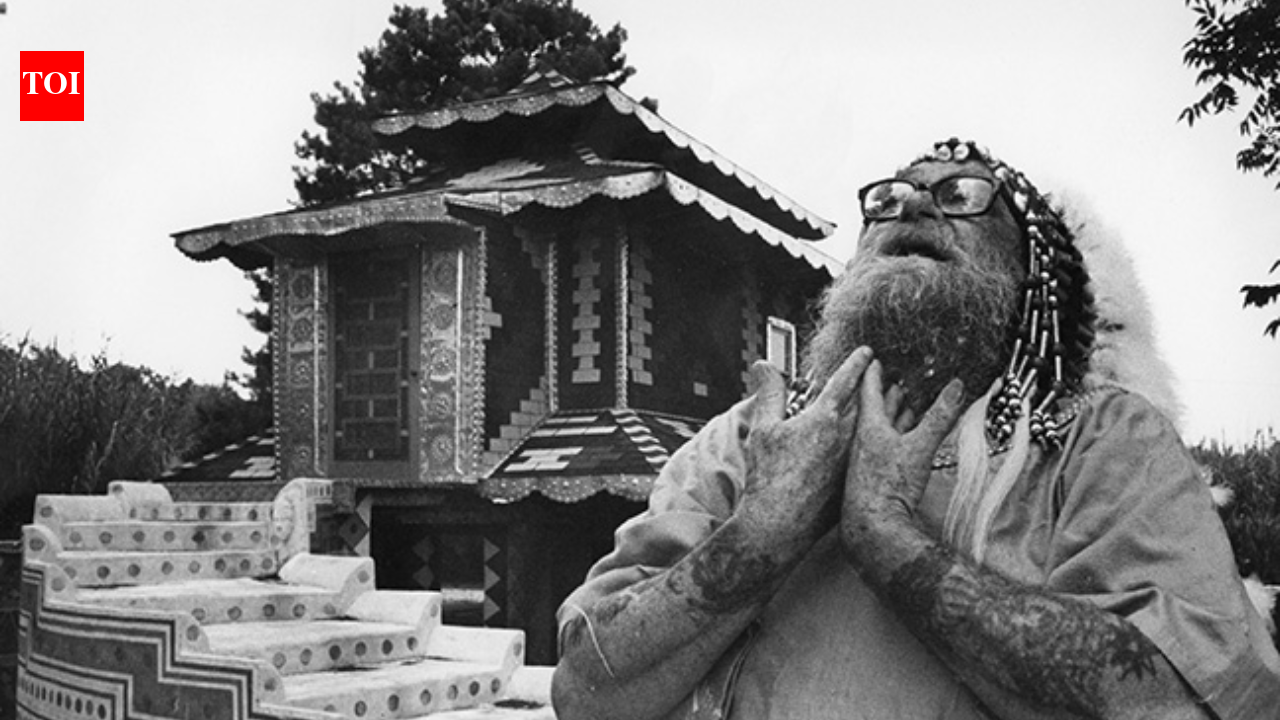
In 1957, Eddie Owens Martin, an eccentric folk artist from rural Georgia, began transforming his inherited family property into a kaleidoscope of painted totems, geometric designs, and towering masonry walls. Over the course of 29 years, he built six major structures and more than 900 feet of brightly colored walls, creating what is now considered one of North America's most important visionary art environments. Known as Pasaquan, this site combines Mesoamerican designs, African patterns, Eastern symbols, and futuristic ideas into a unique personal style. Born to rural sharecroppers in 1908, Martin left home for New York City at 14, working in the city's nightlife before becoming a professional fortune teller. In 1935, he claimed to have experienced powerful spiritual visions while seriously ill, which led him to create Pasaquoyanism, his personal spiritual system. After his mother's death, Martin returned to Marion County in 1957 and began building Pasaquan on the family property, funding the work through fortune telling and tarot readings for local residents. After Martin's death in 1986, local supporters formed the Pasaquan Preservation Society to protect the unusual site. However, years of extreme weather, high humidity, and termite damage badly affected the painted walls and wooden structures. In late 2013, preservation leaders turned to the Kohler Foundation for help with a full restoration, which began in 2014. The two-year project involved specialist conservators and regional construction teams, repairing damaged foundations, treating termite damage, removing overgrown vegetation, and repainting deteriorating surfaces. In 2016, the Kohler Foundation donated the seven-acre Pasaquan site to Columbus State University (CSU), securing its future as a public and educational site. Today, Pasaquan operates as an educational center, museum, and residency site for visiting artists from around the world. Most of St. EOM's outdoor sculptures and painted walls remain at the original site in Marion County, while some of his paintings, textiles, and jewelry are held in permanent collections at CSU and the John Michael Kohler Arts Center. Pasaquan remains open for self-guided tours, educational programs, and cultural events, standing as a lasting record of Martin's 29-year effort to create his own alternative world from concrete, paint, and personal belief.
Filed underIndia
More stories
India
St. Louis Drummer Bobby Taylor Passes Away After Long Cancer Battle
India
Daily Astrology Love Horoscope: Zodiac Insights on Romance for November 10, 2026
India
Retired Electrician Wins Inheritance Battle After Murder Accusation Overturned
India
Sustainable Diwali Decor: Revamp Your Home with Zero-Waste Ideas
India
Jeff Bezos Upgrades Miami Mansion as $234M Billionaire Bunker Dream Home Takes Shape
India