Gen Z's Romantic Mystery: Anxiety or Chemistry? Navigate with Caution
A peculiar form of romantic connection has been identified, characterized by constant thoughts about a partner, obsessive message rereading, and an almost physical response to their name.
By News Rush Point Desk
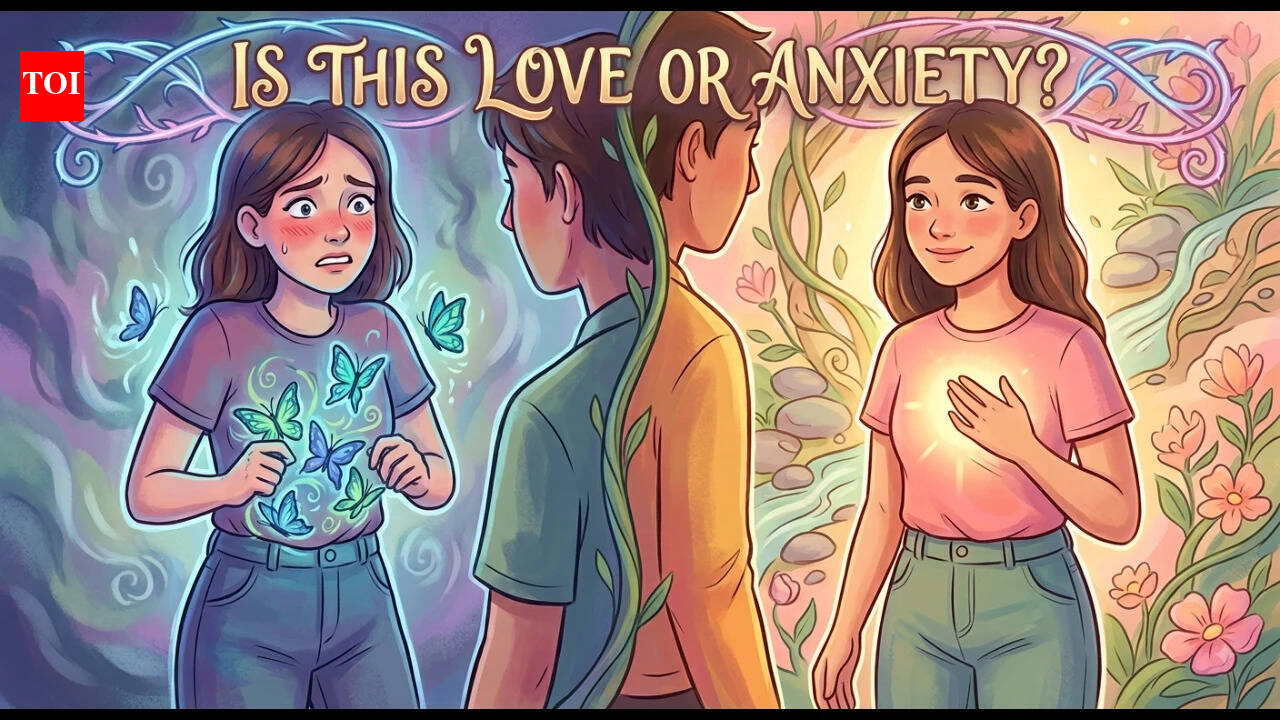
A peculiar form of romantic connection has been identified, characterized by constant thoughts about a partner, obsessive message rereading, and an almost physical response to their name. This intense emotional rollercoaster is often labeled as 'chemistry' or 'butterflies', but it could be masking anxiety instead. Uncertainty, anticipation, and emotional instability can cause sensations akin to attraction, making it challenging to distinguish between wanting someone and fearing losing them. The confusion arises from the attention we pay to inconsistent affection, analyzing every message, conversation, and plan for clues about future developments. When doubt is followed by moments of affection, the contrast creates an emotional high that can make ordinary moments feel euphoric. This relationship dance between reassurance and uncertainty can be mistaken for depth. Healthy attraction, however, does not require constant decoding, as it can flourish in relationships with clear communication, reliable follow-through, and understandable feelings. Emotional consistency may initially seem unfamiliar due to the absence of anxiety often associated with intensity. Repeated draws towards exciting yet emotionally draining relationships might be fueled by this unpredictability rather than compatibility or intimacy potential. The key difference between 'butterflies' and fear lies in what happens beneath the excitement: healthy attraction allows nervousness to settle as trust develops, while anxiety-driven attraction becomes more intense with continued uncertainty. Instead of focusing solely on the intensity of feelings, one must consider how comfortable they feel when actually with the partner, their ability to communicate freely, clarity regarding their relationship status, and the capacity to enjoy the relationship during non-dramatic moments. These questions reveal what 'butterflies' cannot - that chemistry is about attraction, while emotional safety is about what that attraction can become. The calmness of leaving unstable romantic dynamics can be surprising, with no need for phone checks, dramatic reconciliations, or interpreting every gesture.
Filed underIndia
More stories
India
St. Louis Drummer Bobby Taylor Passes Away After Long Cancer Battle
India
Daily Astrology Love Horoscope: Zodiac Insights on Romance for November 10, 2026
India
Retired Electrician Wins Inheritance Battle After Murder Accusation Overturned
India
Sustainable Diwali Decor: Revamp Your Home with Zero-Waste Ideas
India
Jeff Bezos Upgrades Miami Mansion as $234M Billionaire Bunker Dream Home Takes Shape
India