Einstein's Desk Puzzle: A Peek into the Mind of a Genius
In a thought-provoking quote, German theoretical physicist Albert Einstein (1879-1955) questioned the connection between a cluttered desk and a disorganized mind.
By News Rush Point Desk
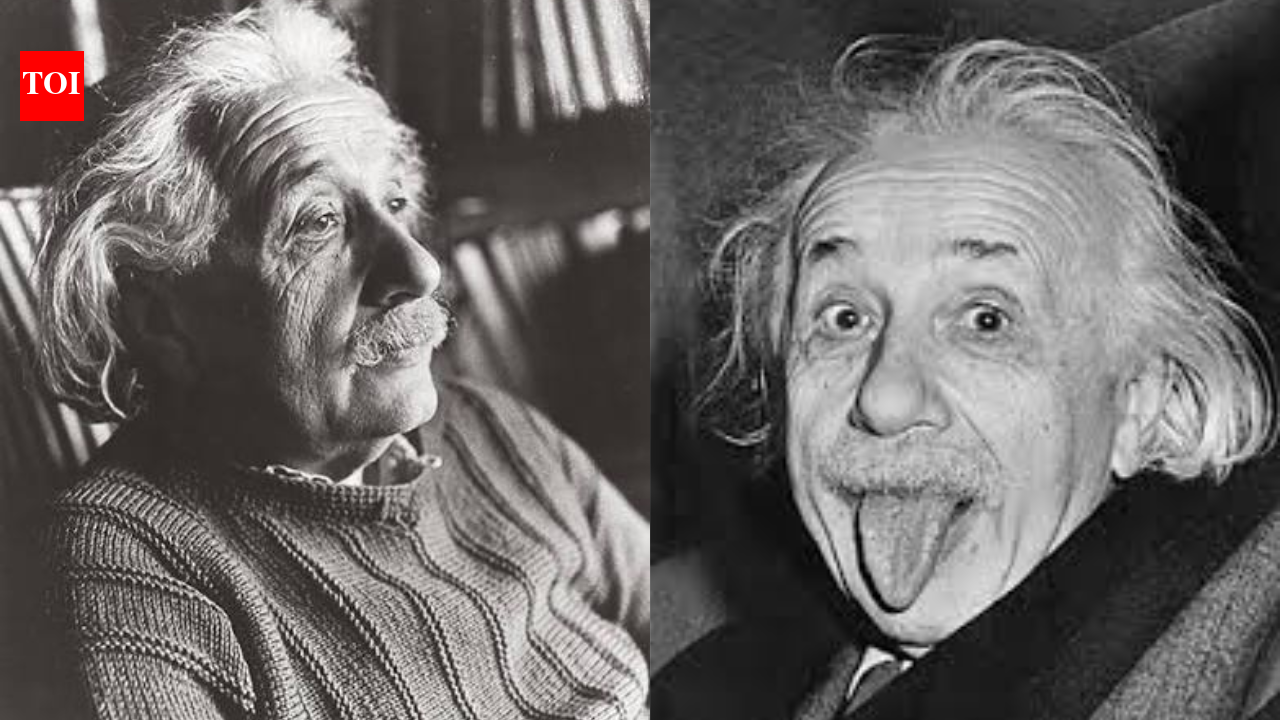
In a thought-provoking quote, German theoretical physicist Albert Einstein (1879-1955) questioned the connection between a cluttered desk and a disorganized mind. Einstein mused that if a messy workspace signified mental chaos, then what could an empty one imply? The great scientist's words challenge the assumption that external tidiness reflects intellectual capacity. He suggested that a person's work environment offers limited insights into their thought processes and working methods. Some people find that a cluttered desk, brimming with books, papers, and unfinished notes, helps them make connections between ideas, while others require a pristine workspace to concentrate effectively. Einstein's question serves as a reminder that the state of one's desk is merely a reflection of their work style and not a reliable indicator of their intelligence or creativity. Furthermore, Einstein's quote sheds light on our tendency to make snap judgments based on appearances, emphasizing that a neat workspace does not necessarily equate to organizational skills, and that a messy one does not always indicate confusion. The physical appearance of a workspace offers limited insights into the complexity of human thought processes.
Filed underIndia
More stories
India
St. Louis Drummer Bobby Taylor Passes Away After Long Cancer Battle
India
Daily Astrology Love Horoscope: Zodiac Insights on Romance for November 10, 2026
India
Retired Electrician Wins Inheritance Battle After Murder Accusation Overturned
India
Sustainable Diwali Decor: Revamp Your Home with Zero-Waste Ideas
India
Jeff Bezos Upgrades Miami Mansion as $234M Billionaire Bunker Dream Home Takes Shape
India