Divers Brave the Depths of the Andrea Doria Wreck, Despite Deadly Risks
Seventy years after the Italian liner Andrea Doria sank in the North Atlantic, adventurous divers continue to descend into its deteriorating wreckage, uncovering new sections and artifacts before…
By News Rush Point Desk
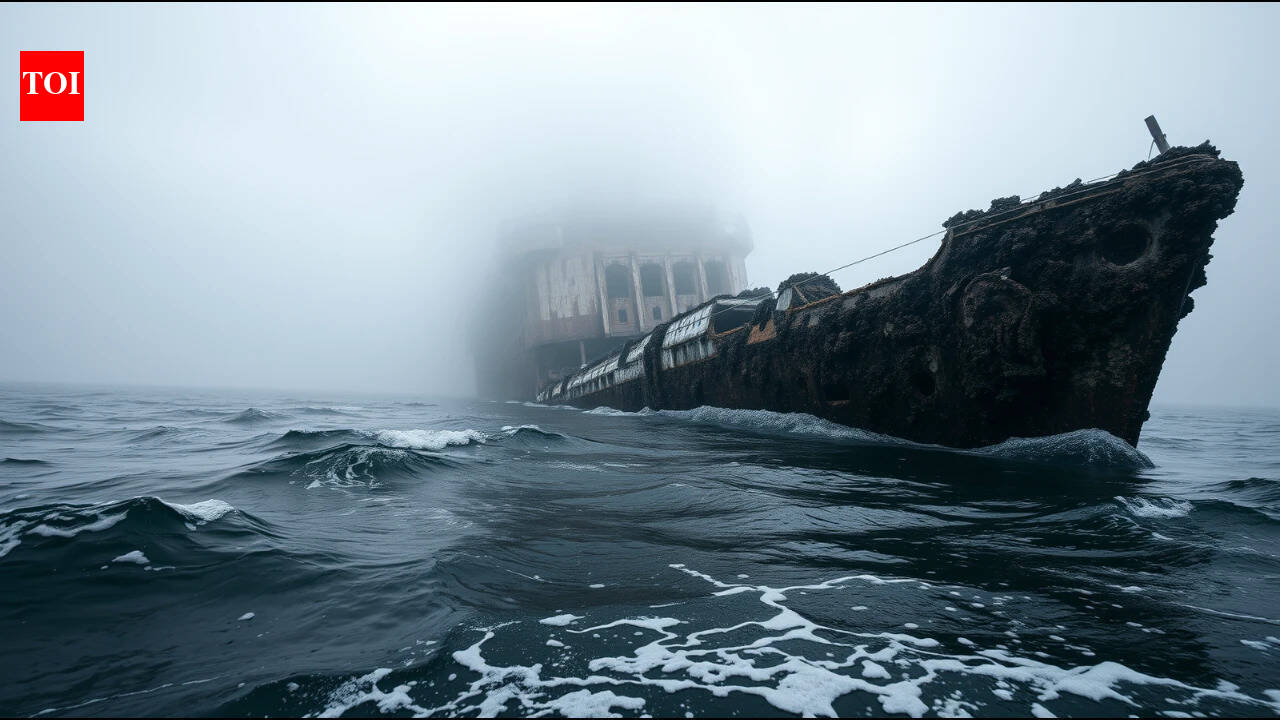
Seventy years after the Italian liner Andrea Doria sank in the North Atlantic, adventurous divers continue to descend into its deteriorating wreckage, uncovering new sections and artifacts before they disappear forever. However, this deadly dive site has claimed 18 lives since the initial exploration began. The ship lies on its starboard side approximately 50 miles south of Nantucket, with the seabed around 250 feet below the surface - far beyond the depths of normal recreational diving. Powerful currents, limited visibility, cold water, and long decompression stops make the descent challenging, while collapsing passages, loose metal, and heavy silt pose additional risks inside the ship itself. Decades on the seafloor have reshaped the wreck, with entire decks collapsed, leaving the vessel about 30 feet shorter than it once was. In July 1956, the Andrea Doria collided with the Stockholm, resulting in the loss of 51 lives. The Andrea Doria, bound for New York from Genoa, encountered dense fog while the outbound liner Stockholm sailed in clearer conditions nearby. Miscommunication between officers on both vessels led to a collision that tore open seven of the Andrea Doria's decks just behind the bridge. Divers have been drawn to the wreck due to its challenging conditions and the danger it presents, earning it the nickname "The Mount Everest of wreck diving." Between 1992 and 1999 alone, eight divers lost their lives there. The high pressure, rapid air consumption, and hazardous navigation inside the ship increase the risk of narcosis, oxygen toxicity, and decompression sickness for divers. Mixed gas diving techniques have allowed divers to explore deeper parts of the wreck, but they come with their own complications, requiring lengthy decompression stops and precise management of gas mixtures. Steve Gatto, who has made over 250 dives to the Andrea Doria, has warned that some divers may be relying too heavily on technology instead of the necessary experience for safe diving. In July 2025, diver Chris Ogden successfully recovered a five-foot-tall brass navigation instrument, the circular top of a gyrocompass repeater, from a confined section of the wreck during one of his four remaining dives on the expedition. The gyrocompass reached the surface largely intact, though its face was missing, and filmmaker Al Giddings later revealed that he had recovered the same piece during a 1968 expedition. The question of salvaging artifacts from the wreck remains contentious, with Atlantic Wreck Salvage continuing to document their recovery work on the Andrea Doria's history and diving conditions annually.
Filed underIndia
More stories
India
St. Louis Drummer Bobby Taylor Passes Away After Long Cancer Battle
India
Daily Astrology Love Horoscope: Zodiac Insights on Romance for November 10, 2026
India
Retired Electrician Wins Inheritance Battle After Murder Accusation Overturned
India
Sustainable Diwali Decor: Revamp Your Home with Zero-Waste Ideas
India
Jeff Bezos Upgrades Miami Mansion as $234M Billionaire Bunker Dream Home Takes Shape
India