Disastrous Rabbit Introduction on Laysan Island Leads to Extinction of Three Bird Species
In 1903, German immigrant Max Schlemmer introduced rabbits onto the isolated Pacific atoll of Laysan, hoping to establish a profitable meat-canning business and provide entertainment for his children.
By News Rush Point Desk
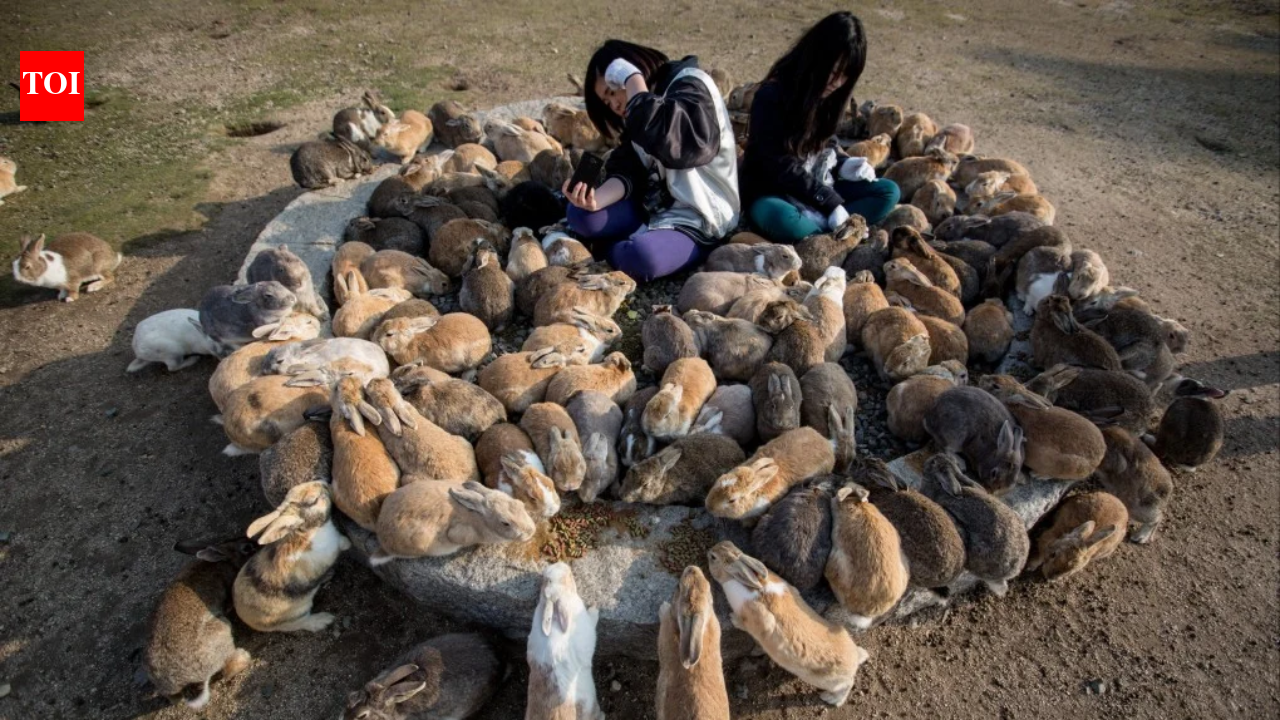
In 1903, German immigrant Max Schlemmer introduced rabbits onto the isolated Pacific atoll of Laysan, hoping to establish a profitable meat-canning business and provide entertainment for his children. However, this decision triggered one of the worst ecological disasters in modern conservation history. Within a decade, the rabbits had stripped much of the island's vegetation, leading to the extinction of three out of five unique landbird species. Historical records show that the rabbit population grew rapidly across the 1000-acre atoll, consuming vegetation faster than it could regenerate. Over the next 20 years, the unchecked rabbit population destroyed 26 native plant species, including the Laysan fan palm and sandalwood trees, turning a once-green habitat into a barren landscape of sand. The loss of vegetation had a severe impact on the native birds, as shrubs, grasses, and trees disappeared along with insects and nesting sites. The extinction of three endemic birds - the Laysan millerbird, Laysan rail, and Laysan honeycreeper - was documented during this period. In 1923, a severe sandstorm on the island claimed the lives of the last remaining Laysan honeycreepers while scientists were attempting to remove the rabbits. Only two landbird species survived: the Laysan finch and the critically endangered Laysan duck. Their survival was partly due to changes in their diet, as they began feeding on carrion, abandoned seabird eggs, and brine flies. The Laysan duck population plummeted during the habitat destruction, reaching dangerously low levels by the early 20th century. In response, President Theodore Roosevelt issued an executive order in 1909 creating the Hawaiian Islands Bird Reservation to protect the remaining species. Schlemmer was later removed from Laysan due to indictments linked to illegal feather collection and the introduction of invasive species. By 1918, the rabbits had consumed much of their own food supply, leaving only a few hundred starving animals on an island with severely damaged vegetation. The crisis ended in 1923 when the Tanager Expedition arrived on Laysan to eliminate the remaining rabbits, marking the beginning of long-term habitat restoration work by the US Fish and Wildlife Service. Conservation efforts continue today under the PapahÄnaumokuÄkea Marine National Monument, with native bunchgrasses and coastal shrubs slowly returning over the following decades. Related plant species have been reintroduced, and protected populations of the surviving Laysan duck and Laysan finch have been established on other atolls like Midway and Eastern Island. In 2011, federal wildlife managers moved the Nihoa millerbird from Nihoa Island to Laysan as an attempt to replace an extinct bird species. The new population has since become established, marking an important step in rebuilding an island ecosystem severely damaged by a small group of domestic rabbits introduced more than a century ago.
Filed underIndia
More stories
India
St. Louis Drummer Bobby Taylor Passes Away After Long Cancer Battle
India
Daily Astrology Love Horoscope: Zodiac Insights on Romance for November 10, 2026
India
Retired Electrician Wins Inheritance Battle After Murder Accusation Overturned
India
Sustainable Diwali Decor: Revamp Your Home with Zero-Waste Ideas
India
Jeff Bezos Upgrades Miami Mansion as $234M Billionaire Bunker Dream Home Takes Shape
India