Delhi Diwali Air Quality Data Discrepancies Raise Concerns Over Accuracy and Public Health
In New Delhi, Diwali celebrations saw an air quality index (AQI) of 376, the highest in five years. However, private monitoring agencies reported significantly higher pollution levels than official…
By News Rush Point Desk
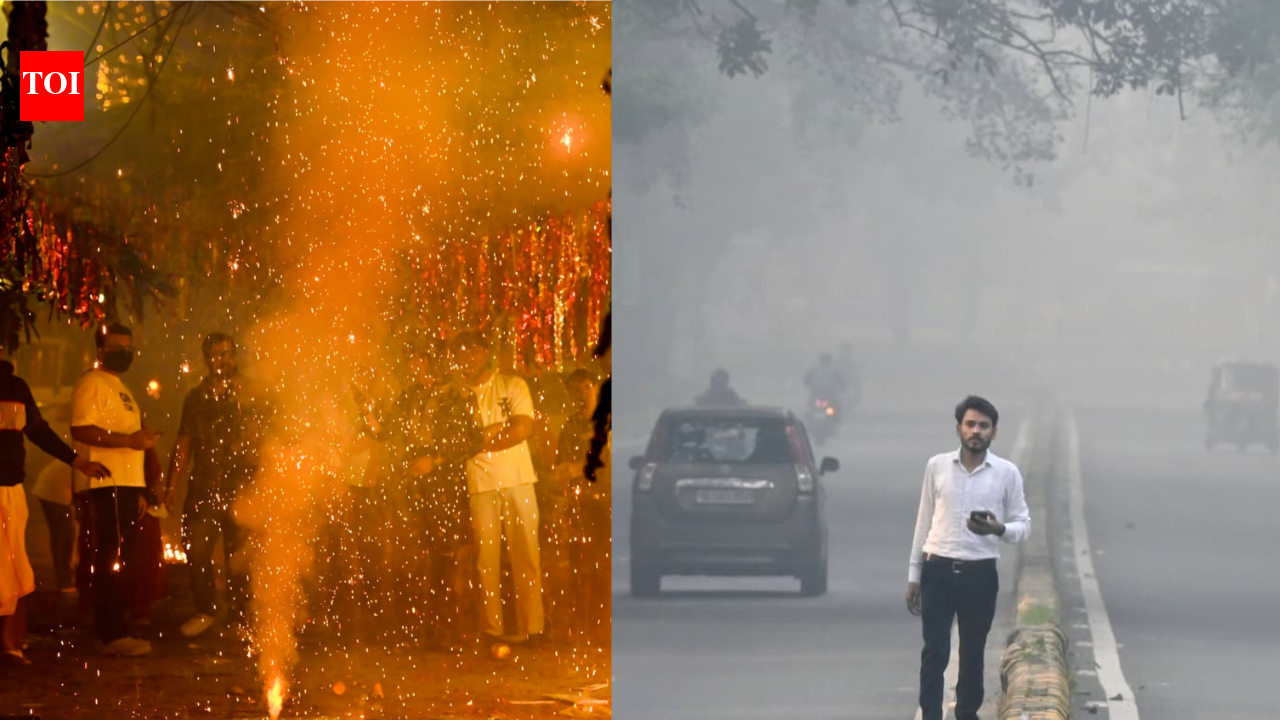
In New Delhi, Diwali celebrations saw an air quality index (AQI) of 376, the highest in five years. However, private monitoring agencies reported significantly higher pollution levels than official figures suggested. The discrepancy is attributed to several government-run monitoring stations ceasing data transmission during peak firecracker hours on Sunday night, raising questions about the reliability of official data and the functionality of the monitoring network. Anumita Roychowdhury, executive director of the Centre for Science and Environment (CSE), called this data gap inexplicable given the substantial public investment in Delhi-NCR's air quality monitoring system. The absence of real-time readings hindered authorities from issuing timely health warnings and responding to emergencies. Senior AAP leader Saurabh Bharadwaj accused the Delhi government of manipulating pollution figures, putting public health at risk. This controversy emerged as government and private agencies reported vastly different AQI figures on Monday morning, with the Swiss air quality monitoring platform IQAir recording an 'very unhealthy' AQI of 245, while the official AQI stood at 370. These discrepancies have sparked debates about the availability and accuracy of monitoring data, as well as the methods used by various agencies to calculate and report air quality. Such disputes are not uncommon, with the AAP accusing the BJP-led Delhi government last year of deliberately switching off air quality monitoring stations to conceal pollution level increases.
Filed underIndia
More stories
India
St. Louis Drummer Bobby Taylor Passes Away After Long Cancer Battle
India
Daily Astrology Love Horoscope: Zodiac Insights on Romance for November 10, 2026
India
Retired Electrician Wins Inheritance Battle After Murder Accusation Overturned
India
Sustainable Diwali Decor: Revamp Your Home with Zero-Waste Ideas
India
Jeff Bezos Upgrades Miami Mansion as $234M Billionaire Bunker Dream Home Takes Shape
India