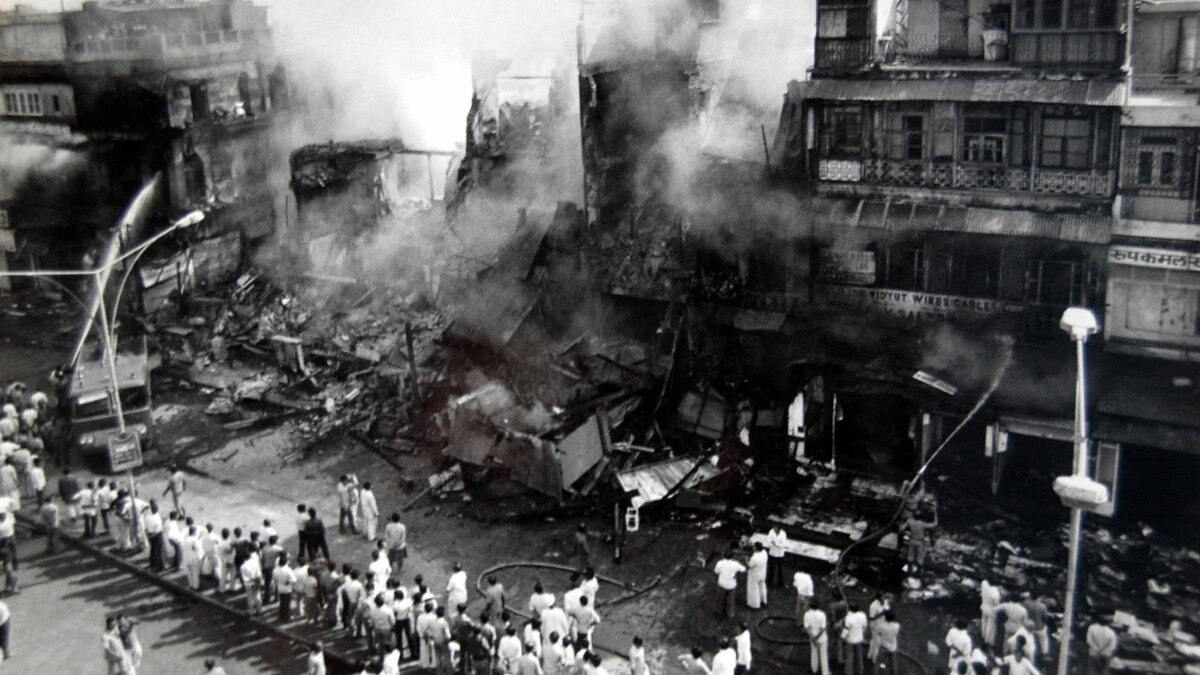
In her recently published memoir Belonging, Congress leader Sonia Gandhi has sparked an intense debate by claiming that the Indian army was delayed in its deployment during the 1984 anti-Sikh riots following Indira Gandhi's assassination. According to Sonia Gandhi, Army Chief General AS Vaidya failed to mobilize nearby units due to concerns about Sikh soldiers participating in the unrest. However, a submission by General Vaidya to the Justice Ranganath Misra Commission, which was established in 1985 to investigate the riots, contradicts this account, stating that soldiers were deployed on October 31 itself but never utilized. The delay, according to the Misra Commission's findings, was due to the insistence of Delhi's Lieutenant Governor and Police Commissioner to assess the situation before deploying troops, which could have saved at least 2,000 lives. Critics, such as Senior Advocate HS Phoolka and columnist Tavleen Singh, have questioned Sonia Gandhi's version of events, with Phoolka calling her claims "absolutely false."
WHO: Sonia Gandhi, General AS Vaidya, Justice Ranganath Misra Commission
WHAT: 1984 anti-Sikh riots, Army deployment, delay in deployment, debate over accounts
WHEN: October 31, 1984, November 1 and 2, 1984, August 1986 (Misra Commission report submitted), February 1987 (Misra Commission report tabled in Parliament)
WHERE: Delhi, Meerut, various parts of India
WHY: Sporadic mutinies by Sikh soldiers following Operation Blue Star, concerns about Sikh troops exacerbating the situation, delay in deploying troops leading to loss of life.
In her memoir, Sonia Gandhi explains that General Vaidya did not mobilize nearby units due to fears about Sikh soldiers' potential involvement in the unrest following Operation Blue Star. However, she also notes that Army units had started moving into Delhi by the night of November 1 and were positioned in affected areas by noon on November 2, with a curfew in force and shoot-at-sight orders issued.
General Vaidya's remarks regarding the deployment of troops are captured in the Misra Commission report, rather than the Nanavati Commission report. It is worth noting that General Vaidya was assassinated by Khalistanis on August 10, 1986, before seeing the final report. The Misra Commission's report was submitted in August 1986 but not tabled in Parliament until February 1987.
Several critics have challenged Sonia Gandhi's account of the 1984 massacre, including Senior Advocate HS Phoolka and columnist Tavleen Singh. Phoolka, who fought for the victims of the 1984 riots and is now a BJP member, has called her claims "absolutely false." Singh, on the other hand, found Sonia Gandhi's memoir "fascinating," but criticized its whitewashing of the Congress role in the 1984 pogrom as "unforgivable."