China's Long March 7A Rocket Explodes 85 Seconds After Launch at Wenchang Space Center
A catastrophic failure occurred during the ascent of China's medium-to-heavy lift rocket, the Long March 7A (CZ-7A), just 85 seconds after its launch from the Wenchang Space Launch Site in Hainan.
By News Rush Point Desk
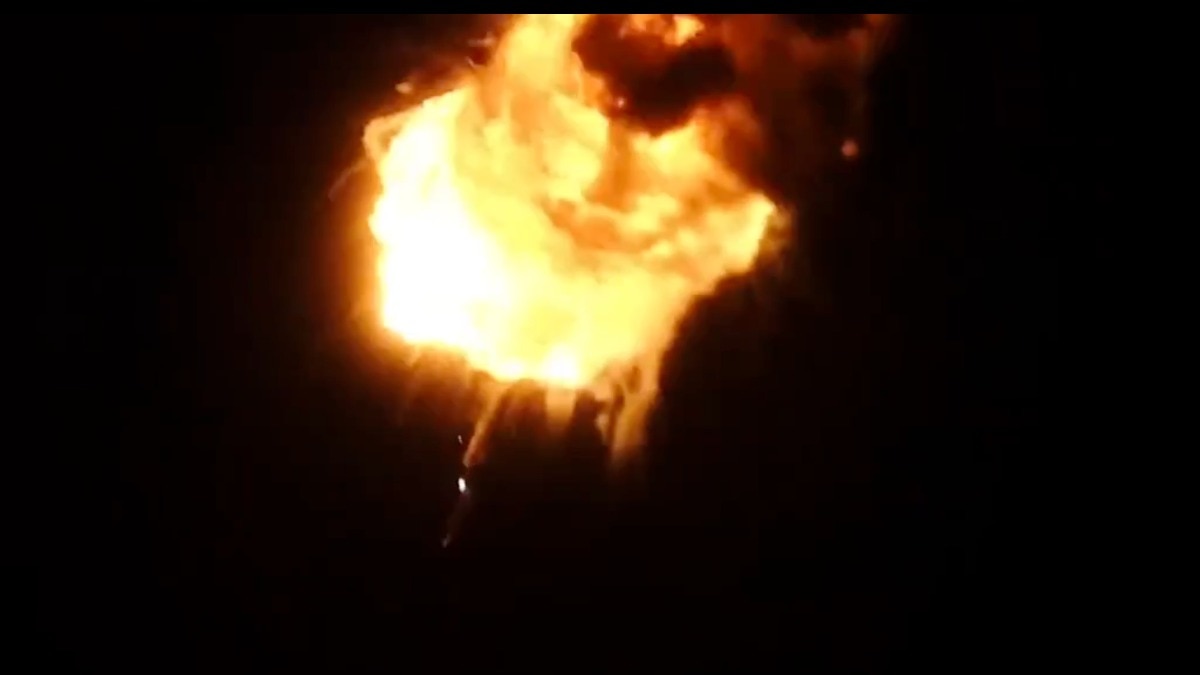
A catastrophic failure occurred during the ascent of China's medium-to-heavy lift rocket, the Long March 7A (CZ-7A), just 85 seconds after its launch from the Wenchang Space Launch Site in Hainan. This incident marks only the second failure for the rocket since it entered service, making it a significant setback for China's otherwise burgeoning launch activity. The rocket, designed by the China Academy of Launch Vehicle Technology, was intended to place satellites into geostationary transfer orbit (GTO) and plays a crucial role in China's launch vehicle family. Investigators are currently analyzing telemetry data to determine the cause of the explosion during the first-stage ascent, an event that could have severe consequences due to the rapid changes in aerodynamic loads, intense vibration, and the demanding transition from liftoff to high-speed atmospheric flight. Despite this failure, China's broader launch program is expected to remain unaffected. The investigation will serve as a critical opportunity for engineers to identify the cause and prevent future failures during CZ-7A missions. The incident underscores the inherent risks of orbital launch operations, where even mature rockets can experience catastrophic failures within seconds of leaving the launch pad. Wenchang Space Center, which has become a major hub for some of China's most powerful rockets and future deep-space missions, will continue to play a pivotal role in China's space program.
Filed underWorld
More stories
World
Bangladesh: Over 2,000 Higher Education Professionals Face Political Persecution, Report Finds
World
Collapse at Pakistan's Tarbela Dam Project Halts Construction, Investigation Reveals Design Flaws and Contractual Breaches
World
French Officials Accuse Iran's IRGC of Cyberattacks on Refrigeration Sites Across France
World
White House Briefly Locked Down Due to Car Crash and Barricade Jumping Nearby
World
Trilateral Peace Talks in Abu Dhabi: Ukraine, Russia, and US Discuss Security Guarantees and Territorial Disputes
World