Aristotle's Counterpoint on Pursuit of Pleasure: Seek Wisdom Over Instant Gratification
In his seminal work, Nicomachean Ethics, Aristotle challenges the conventional wisdom that pleasure is the ultimate goal.
By News Rush Point Desk
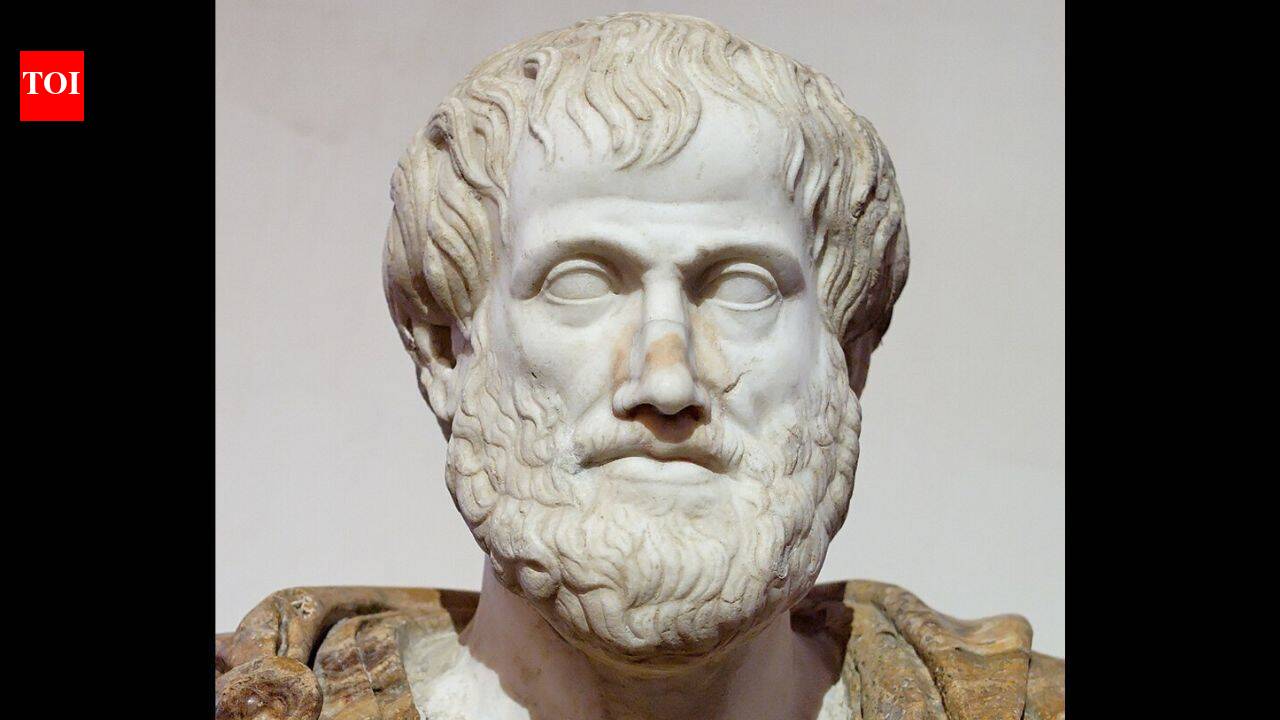
In his seminal work, Nicomachean Ethics, Aristotle challenges the conventional wisdom that pleasure is the ultimate goal. He asserts that practical wisdom, or phronesis, lies in avoiding unnecessary pain rather than pursuing immediate pleasure. Aristotle's argument emphasizes understanding which desires are worth following and recognizing when the pursuit of pleasure can create more difficulties. This perspective encourages moderation, foresight, and the ability to place short-term desires within the context of a larger and more balanced life. The relevance of this wisdom is underscored in today's society that constantly pushes for comfort, entertainment, and immediate satisfaction. By choosing what prevents unnecessary pain rather than constantly pursuing what feels pleasurable, one can foster practical wisdom and make decisions that lead to a more fulfilling life.
Filed underIndia
More stories
India
St. Louis Drummer Bobby Taylor Passes Away After Long Cancer Battle
India
Daily Astrology Love Horoscope: Zodiac Insights on Romance for November 10, 2026
India
Retired Electrician Wins Inheritance Battle After Murder Accusation Overturned
India
Sustainable Diwali Decor: Revamp Your Home with Zero-Waste Ideas
India
Jeff Bezos Upgrades Miami Mansion as $234M Billionaire Bunker Dream Home Takes Shape
India