Ancient Horse Sacrifice Uncovered in Germany's Bronze Age Burial Mound
Archaeologists in Saxony-Anhalt, Germany have unearthed the remains of two young horses buried beside a Late Bronze Age burial mound, offering evidence of an ancient ritual that may reveal a…
By News Rush Point Desk
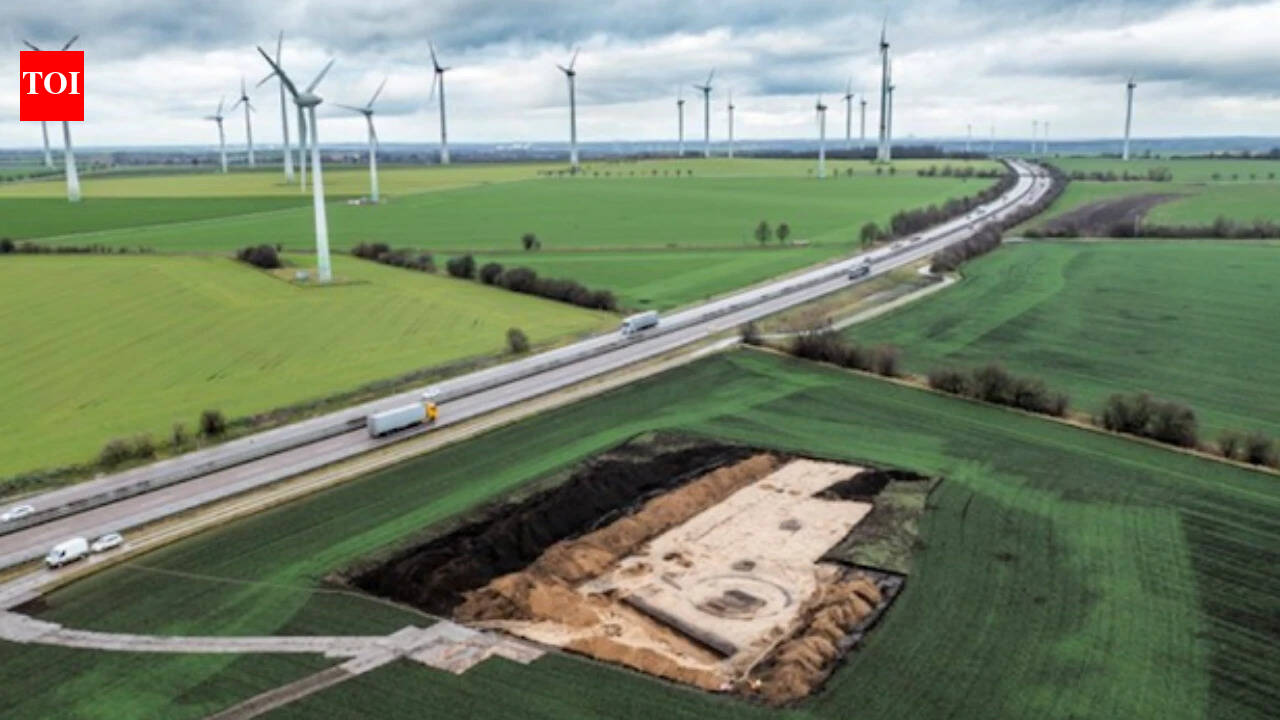
Archaeologists in Saxony-Anhalt, Germany have unearthed the remains of two young horses buried beside a Late Bronze Age burial mound, offering evidence of an ancient ritual that may reveal a 3,000-year-old horse sacrifice. The discovery was made during archaeological investigations ahead of construction of the SuedOstLink electricity transmission line, which exposed a prehistoric landscape containing settlements, graves, and other features. The burial mound, dating to the beginning of the Late Bronze Age, was initially identified by a circular ditch, inside which were two stone-lined human graves. Unexpectedly, a horse was found buried in the ditch, followed by another 11 meters northeast, both animals being foals only about five to nine months old when they were deliberately deposited. The alignment of the second horse with the human graves suggests a deliberate connection between the horse burial and the funerary monument, hinting at a ritualistic sacrifice. Both horses' skeletons showed signs of complete carcasses, with one foal having its hind-leg bones lying almost parallel, possibly indicating it was bound or constricted before burial. Radiocarbon dating places both deposits within the beginning of the Late Bronze Age, making this discovery a unique example of the ritual deposition of such young horses during this period. The significance of sacrificing two young horses lies in their value as prestige objects associated with wealth, mobility, religious beliefs, and burial practices in Bronze Age societies. Deliberately removing these animals from future use would have represented a meaningful expenditure of resources.
Filed underIndia
More stories
India
St. Louis Drummer Bobby Taylor Passes Away After Long Cancer Battle
India
Daily Astrology Love Horoscope: Zodiac Insights on Romance for November 10, 2026
India
Retired Electrician Wins Inheritance Battle After Murder Accusation Overturned
India
Sustainable Diwali Decor: Revamp Your Home with Zero-Waste Ideas
India
Jeff Bezos Upgrades Miami Mansion as $234M Billionaire Bunker Dream Home Takes Shape
India