Ancient Chinese Wine Recipe Unearthed: Archaeologists Decode 2300-Year-Old Brewing Method
In a groundbreaking discovery, archaeologists have uncovered a well-preserved 2300-year-old wine sample from the Warring States Period (475-221 BC) in northwest China.
By News Rush Point Desk
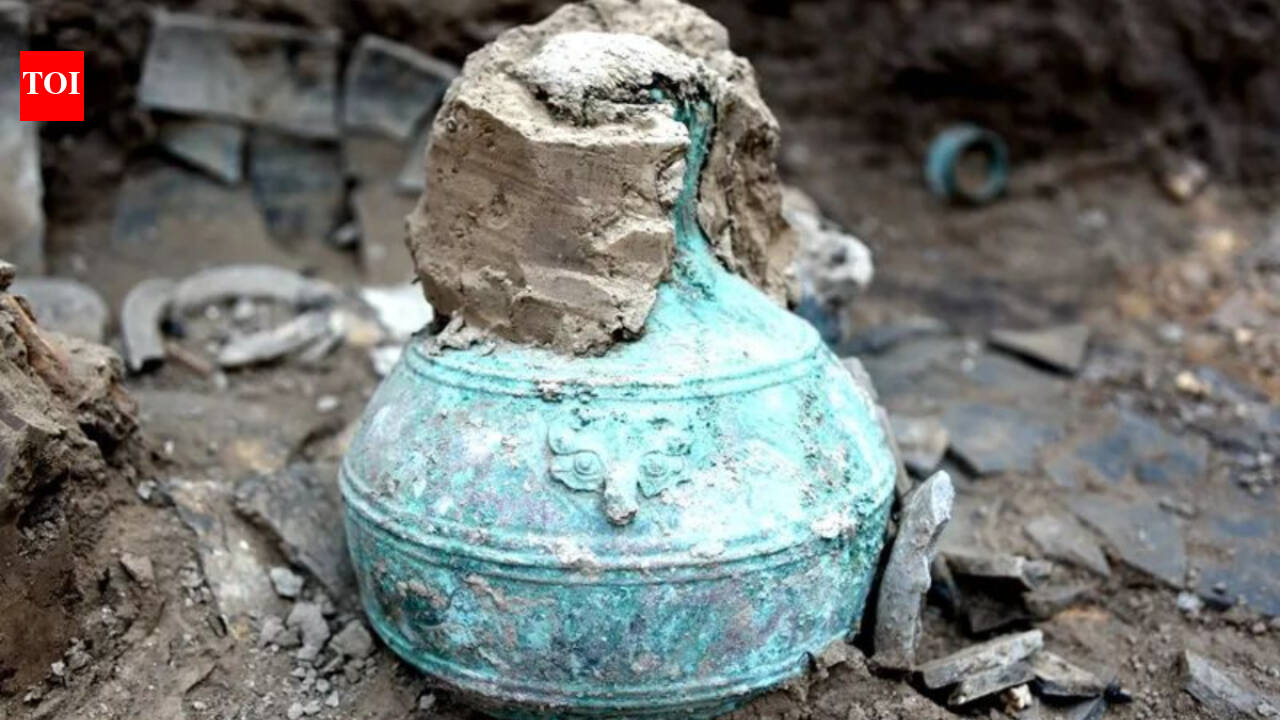
In a groundbreaking discovery, archaeologists have uncovered a well-preserved 2300-year-old wine sample from the Warring States Period (475-221 BC) in northwest China. This remarkable find, made at the Shanjiabao cemetery in the Ningxia Hui autonomous region, offers valuable insights into alcoholic beverage production among the Qin people. The wine was found inside a bronze bottle with a distinctive garlic-shaped mouth in Tomb M39, and its multilayer seal helped preserve it for over two millennia. Scientific analysis reveals that the drink was primarily made using broomcorn millet and grains from the Triticeae group, and brewers likely used cereal-based qu, a traditional fermentation starter in Chinese brewing. This discovery not only sheds light on ancient drinking habits but also provides rare physical evidence of brewing technology during the period before China's unification. Additionally, the location of the cemetery near the Qin Great Wall and frontier defense facilities suggests its importance within a significant military and cultural landscape.
Filed underIndia
More stories
India
St. Louis Drummer Bobby Taylor Passes Away After Long Cancer Battle
India
Daily Astrology Love Horoscope: Zodiac Insights on Romance for November 10, 2026
India
Retired Electrician Wins Inheritance Battle After Murder Accusation Overturned
India
Sustainable Diwali Decor: Revamp Your Home with Zero-Waste Ideas
India
Jeff Bezos Upgrades Miami Mansion as $234M Billionaire Bunker Dream Home Takes Shape
India