Ancient Arrowheads with Mysterious Markings Found in Turkey Baffle Archaeologists
In the heart of Cappadocia, Turkey, archaeologists have uncovered a set of 9,000-year-old arrowheads adorned with peculiar incisions.
By News Rush Point Desk
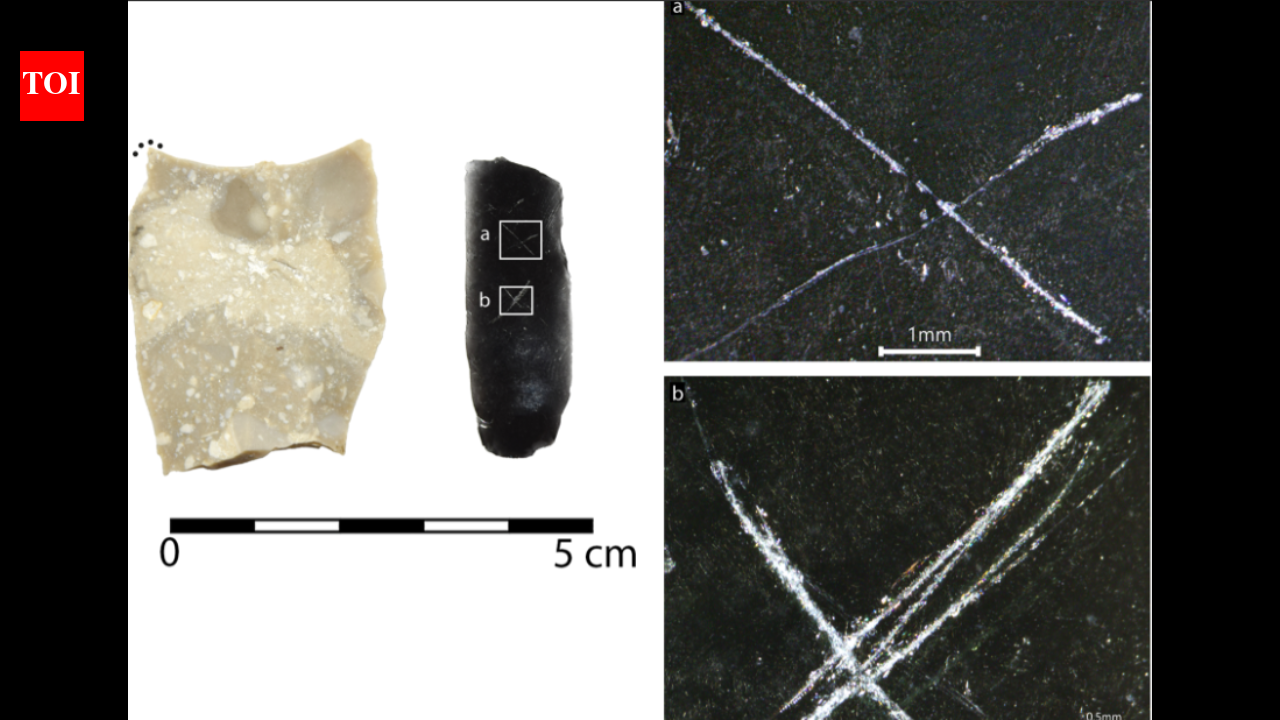
In the heart of Cappadocia, Turkey, archaeologists have uncovered a set of 9,000-year-old arrowheads adorned with peculiar incisions. The discovery, made at the Neolithic settlement of Tepecik-Ciftlik, adds twelve new pieces to the existing regional count of 54, according to a study published in PLOS One. Despite meticulous analysis and comparisons with similar finds across Central Anatolia, the purpose of these markings remains elusive. The designs, which include crosses, chevrons, wavy lines, squares, and letter-like forms, were intentionally etched into the arrowheads, not created accidentally during their manufacture or burial. However, no two designs match, and the practice appears to have been unique to this region, leaving researchers with more questions than answers. The markings were likely made using flint tools, a rare find at the site, suggesting a deliberate choice rather than convenience. Although the timing of the incisions relative to each arrowhead's shaping is inconsistent, the mystery extends beyond Tepecik-Ciftlik, with similar finds at other Cappadocian and Konya Plain sites. The origins of these enigmatic markings continue to intrigue archaeologists, with theories ranging from hunters' signatures to decorative flourishes or ritual practices.
Filed underIndia
More stories
India
St. Louis Drummer Bobby Taylor Passes Away After Long Cancer Battle
India
Daily Astrology Love Horoscope: Zodiac Insights on Romance for November 10, 2026
India
Retired Electrician Wins Inheritance Battle After Murder Accusation Overturned
India
Sustainable Diwali Decor: Revamp Your Home with Zero-Waste Ideas
India
Jeff Bezos Upgrades Miami Mansion as $234M Billionaire Bunker Dream Home Takes Shape
India