Allahabad Showdown: Chandrashekhar Azad's Final Standoff with CID Chief JRH Nott Bower
Six years after the Kakori Train Action, fugitive revolutionary Chandrashekhar Azad, whose bounty was more than the loot from the incident, met his end in a gunfight with Allahabad CID chief JRH…
By News Rush Point Desk
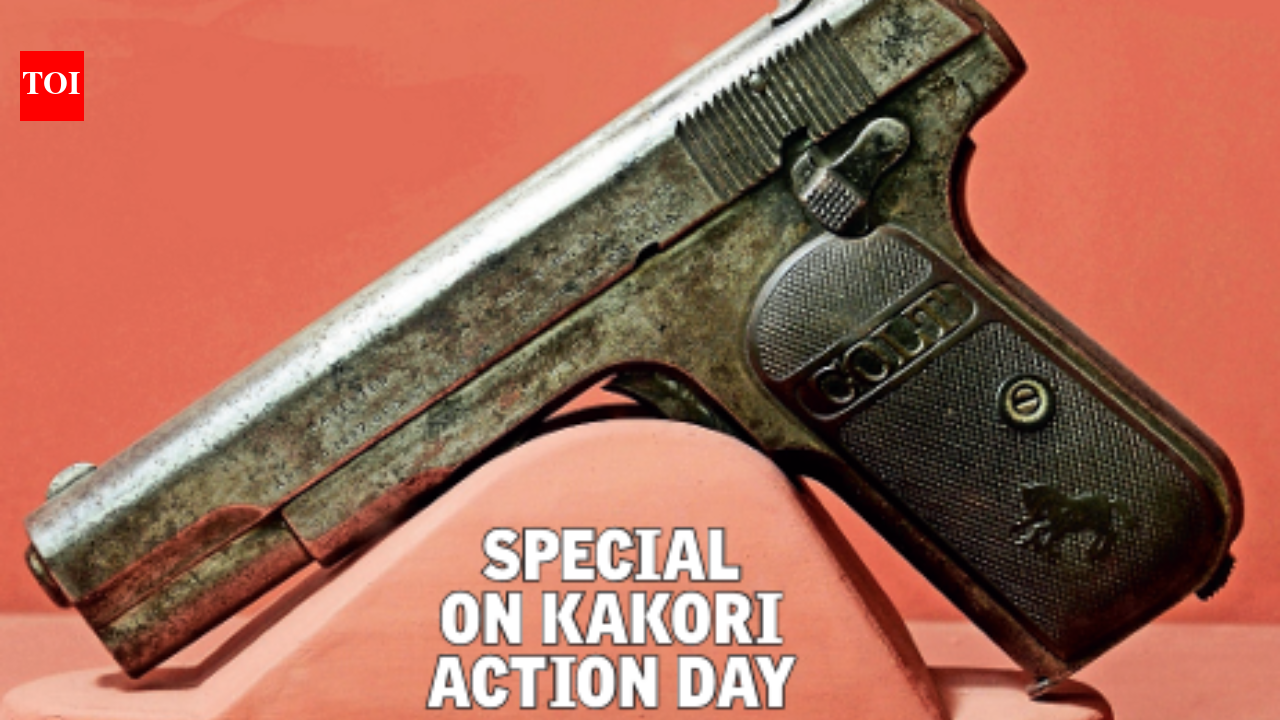
Six years after the Kakori Train Action, fugitive revolutionary Chandrashekhar Azad, whose bounty was more than the loot from the incident, met his end in a gunfight with Allahabad CID chief JRH Nott Bower on Feb 27, 1931. Azad, who had joined Hindustan Republican Army (HRA) at 16 and earned the nickname 'Quicksilver' for his quick reflexes, was identified by a British officer as he waited for his associate near Alfred Park. In the ensuing exchange of fire, Azad was hit in the thigh, and his bullet grazed Nott Bower's arm. Despite his wound, Azad urged his aide to flee, but he died moments later. The encounter made headlines, with Hindi newspaper 'Aaj' reporting, "Sandigdh Krantikari ki mrityu... Khoofiya police se muqabla..." Subsequent police proceedings revealed that Azad's belongings, including his pistol named 'Bamtul Bukhara,' were recovered. The term is believed to mean a weapon that spews fire, symbolizing Azad's unwavering spirit of rebellion. Despite debates about whether 'Bamtul Bukhara' was a Colt or a Mauser, it's clear that the pistol played a significant role in Azad's life and legacy.
Filed underIndia
More stories
India
St. Louis Drummer Bobby Taylor Passes Away After Long Cancer Battle
India
Daily Astrology Love Horoscope: Zodiac Insights on Romance for November 10, 2026
India
Retired Electrician Wins Inheritance Battle After Murder Accusation Overturned
India
Sustainable Diwali Decor: Revamp Your Home with Zero-Waste Ideas
India
Jeff Bezos Upgrades Miami Mansion as $234M Billionaire Bunker Dream Home Takes Shape
India