Agent Orange's Multigenerational Curse: A Legacy of War in Vietnam
In the early 1960s, Vietnam, a country caught in the crossfire of ideological warfare, became the battleground for Operation Ranch Hand, a U.S.
By News Rush Point Desk
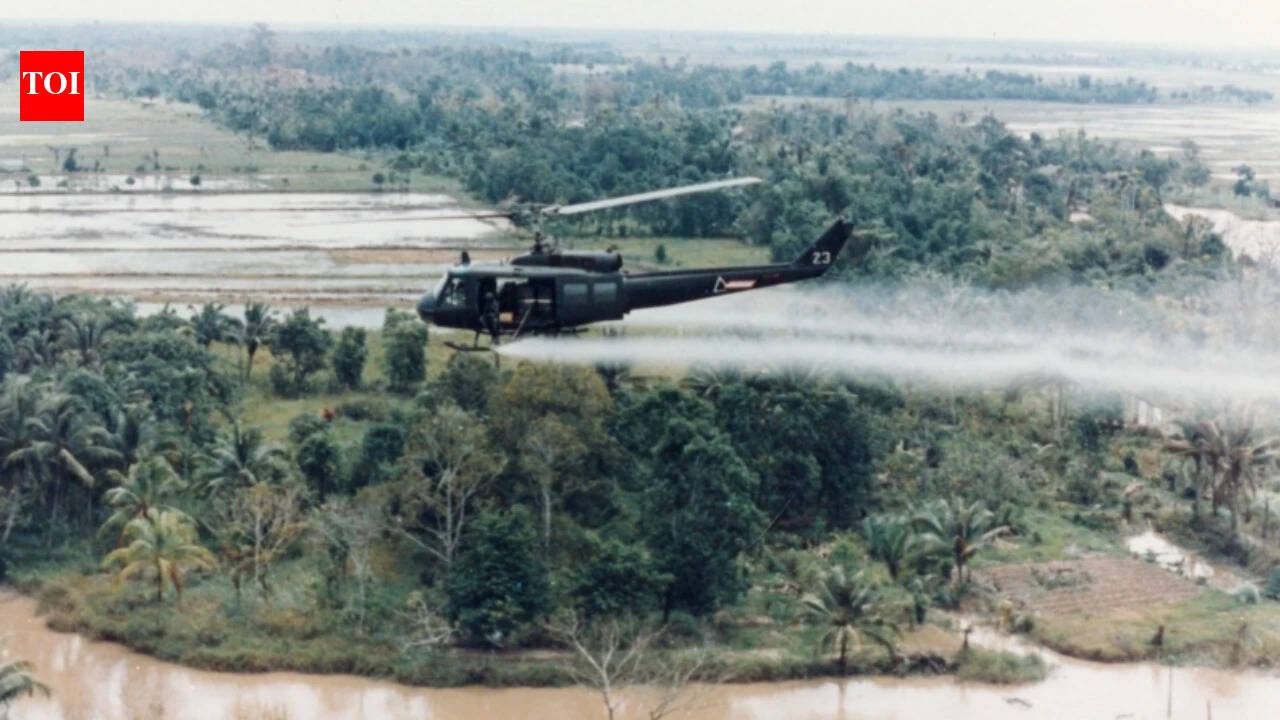
In the early 1960s, Vietnam, a country caught in the crossfire of ideological warfare, became the battleground for Operation Ranch Hand, a U.S. military operation that sprayed millions of gallons of Agent Orange and related herbicides over South Vietnam. The herbicide, named after an orange stripe painted on containers, was designed to strip landscapes bare, but its deadly constituent chemical, TCDD, caused long-term health issues in both humans and animals. Despite the operation ending in 1971, the consequences of Agent Orange exposure persisted for generations, with third-generation descendants exhibiting kidney disease, ovarian abnormalities, altered puberty, and DNA modifications. While the transgenerational effects of Agent Orange on humans remain a subject of debate, a study by biologists at Washington State University raises concerns about epigenetic inheritance and the possibility of prolonged biological consequences from the war.
Filed underIndia
More stories
India
St. Louis Drummer Bobby Taylor Passes Away After Long Cancer Battle
India
Daily Astrology Love Horoscope: Zodiac Insights on Romance for November 10, 2026
India
Retired Electrician Wins Inheritance Battle After Murder Accusation Overturned
India
Sustainable Diwali Decor: Revamp Your Home with Zero-Waste Ideas
India
Jeff Bezos Upgrades Miami Mansion as $234M Billionaire Bunker Dream Home Takes Shape
India