Abandoned Rail Line Becomes Green Corridor for Wildlife in Wisconsin
In the picturesque driftless hills of southwestern Wisconsin, an old railway corridor, last used by trains in 1964, has transformed into a bustling green passageway for wildlife.
By News Rush Point Desk
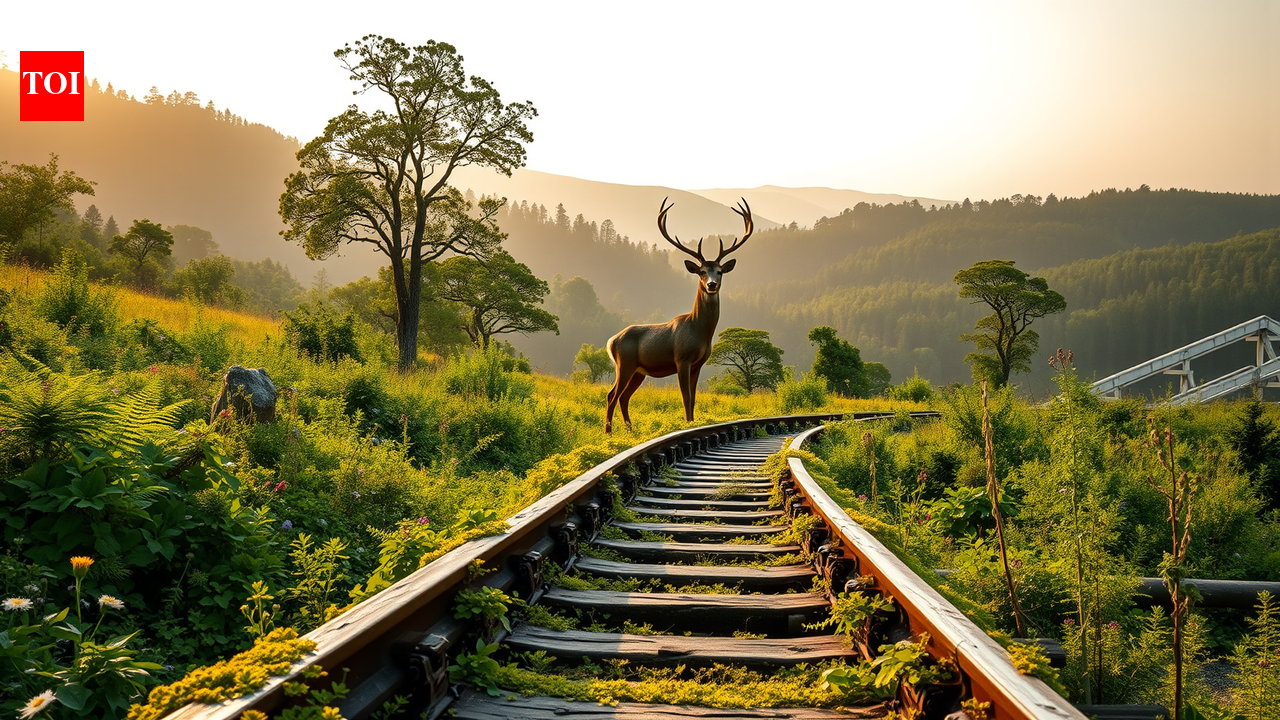
In the picturesque driftless hills of southwestern Wisconsin, an old railway corridor, last used by trains in 1964, has transformed into a bustling green passageway for wildlife. The Elroy Sparta line, initially part of the Chicago and North Western Railway's main route connecting Chicago with the Twin Cities, now sees traffic primarily on hooves, wings, and two feet instead of steel wheels. Abandoned due to a more efficient bypass in the early 20th century, the corridor was repurposed as a public trail by the state of Wisconsin, marking the first rail-to-trail conversion in the United States. The trail opened to the public in 1967, offering a 32.5-mile greenway that connects forests, wetlands, and farmland, providing crucial habitat for various wildlife species. Researchers have since found that these converted rail corridors are valuable for wildlife movement, serving as genuine wildlife corridors in an otherwise fragmented agricultural landscape. The Elroy Sparta corridor's success has inspired numerous other rail-to-trail projects across the country, contributing to a national push to convert over 25,000 miles of former railroad corridors into recreational trails.
Filed underIndia
More stories
India
St. Louis Drummer Bobby Taylor Passes Away After Long Cancer Battle
India
Daily Astrology Love Horoscope: Zodiac Insights on Romance for November 10, 2026
India
Retired Electrician Wins Inheritance Battle After Murder Accusation Overturned
India
Sustainable Diwali Decor: Revamp Your Home with Zero-Waste Ideas
India
Jeff Bezos Upgrades Miami Mansion as $234M Billionaire Bunker Dream Home Takes Shape
India